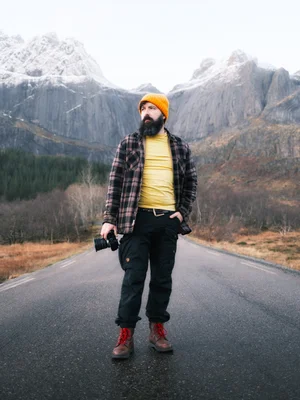
Photography Project Ideas: How I'm Finding My Next Creative Direction
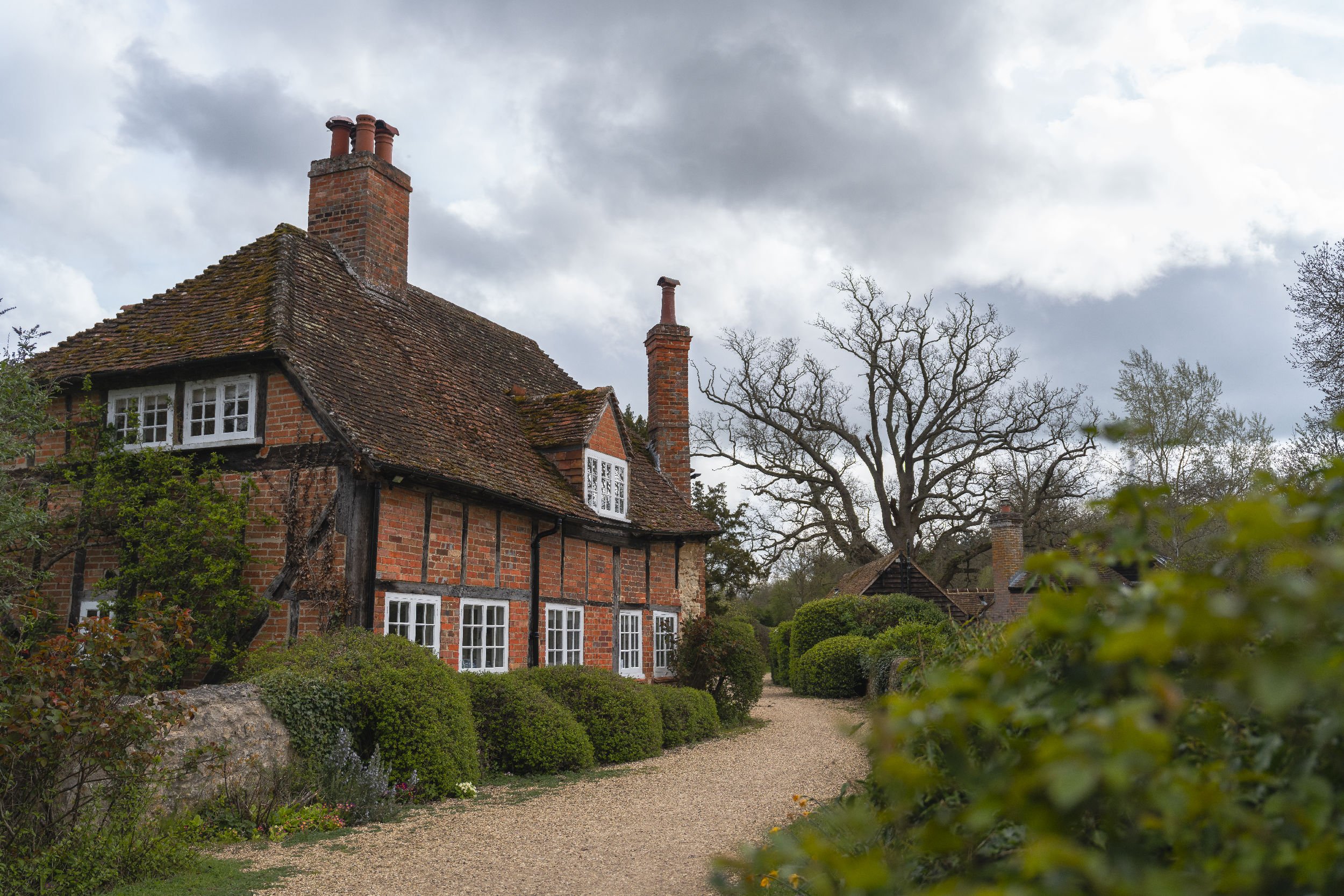
A far cry from my usual adventure photography locations, a muddy Oxfordshire bridleway. A gentle stroll with my camera trying to convince myself that this is a meaningful creative exercise and not just a weekend morning with nowhere better to be.
It doesn't have the same ring as Antarctica. I'm aware.
But here's the thing I've slowly had to accept: if I want to grow as a photographer, I can't keep waiting for the next big trip to do it. I've been to some extraordinary places over the last few years, Iceland, Patagonia, Antarctica, the kind of locations where even a mediocre composition can look portfolio worthy.
And I love that kind of photography. I'm not apologising for it. But when I sat down recently and looked honestly at my portfolio and Instagram feed, the uncomfortable truth was staring back at me. There's no thread running through any of it. No consistent theme or creative identity. Just a loosely connected archive of images that essentially say "this mountain is large" or "this iceberg is also quite large."
That's not a body of work. That's a very expensive mood board.
So I grabbed my camera, picked a pin on my google maps close to home that I haven’t yet explored, and went to think it over.
The Problem With Adventure Photography
The issue isn't the travel photography itself, it's relying on it exclusively. When your only creative output happens twice a year in dramatic locations, you never build the kind of consistent practice that actually improves your eye. You just turn up somewhere spectacular, take the best photos you can, and then don't pick up a camera again for six months.
I've been doing exactly that. And I found that when I do finally get to my next epic location, I’m relearning my craft all over again.
Looking at my Instagram feed, that’s what it’s full of. Not so much consistency but an eclectic mix of epic locations, colours, subjects and styles.
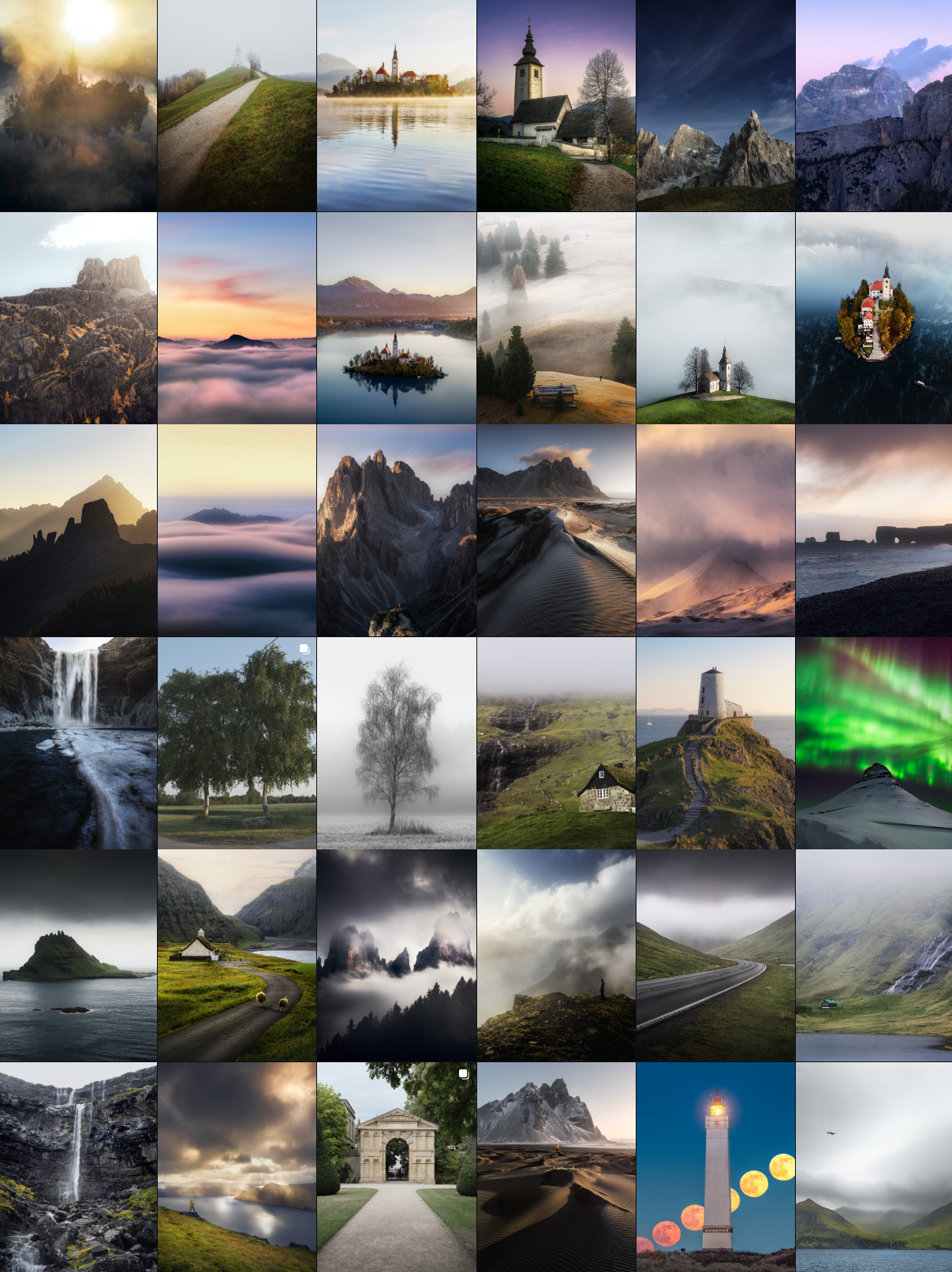
What I realised on these Oxfordshire walks is that a long-term photography project solves this problem almost by accident. It gives you a reason to go out and shoot regularly, even when you're nowhere near a glacier. It creates a framework for making decisions. And over time it builds something that actually coheres, a body of work with an identity rather than a greatest hits from various honeypot spots.
The question, naturally, is which project.
What I Was Actually Hoping to Find in Oxfordshire
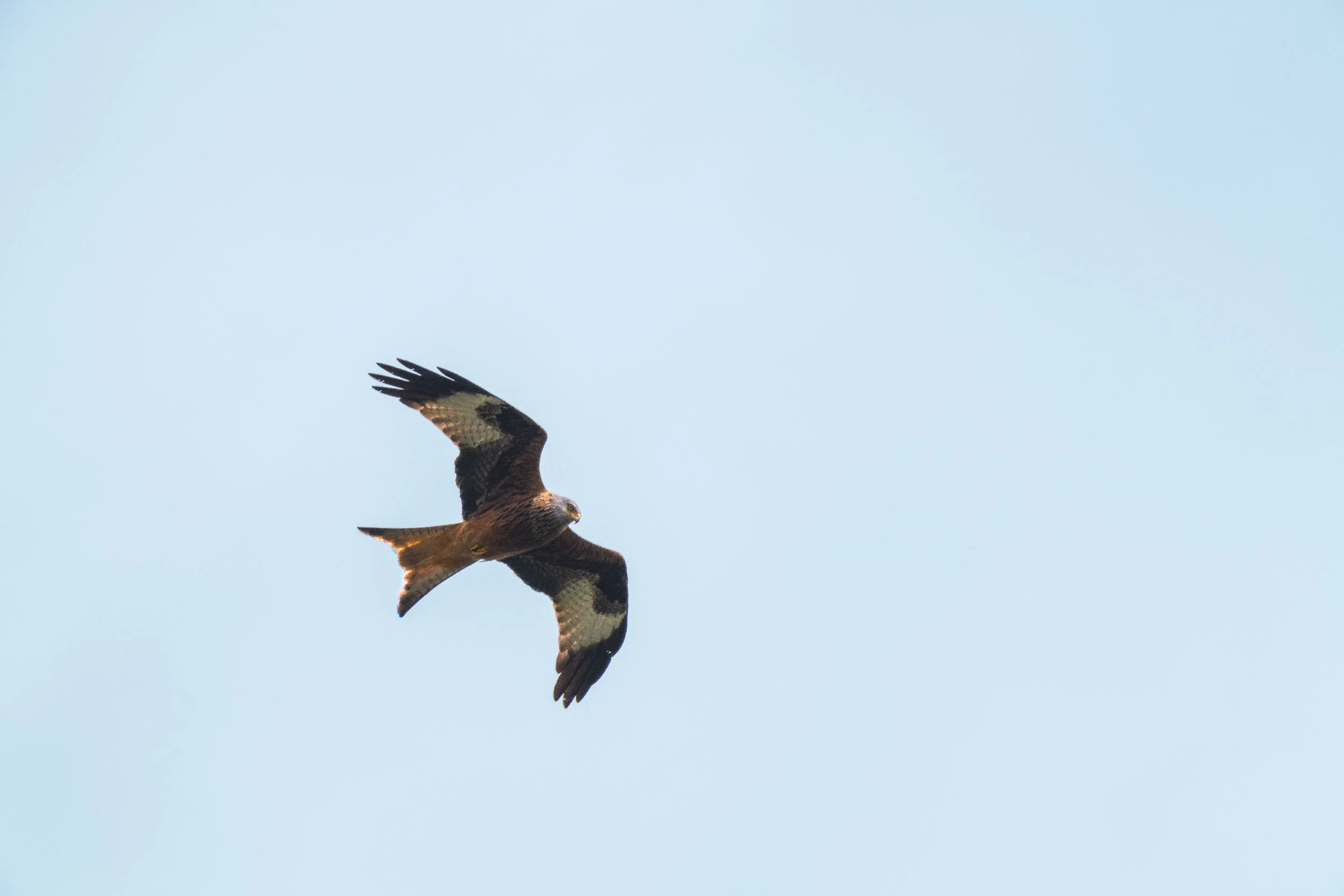
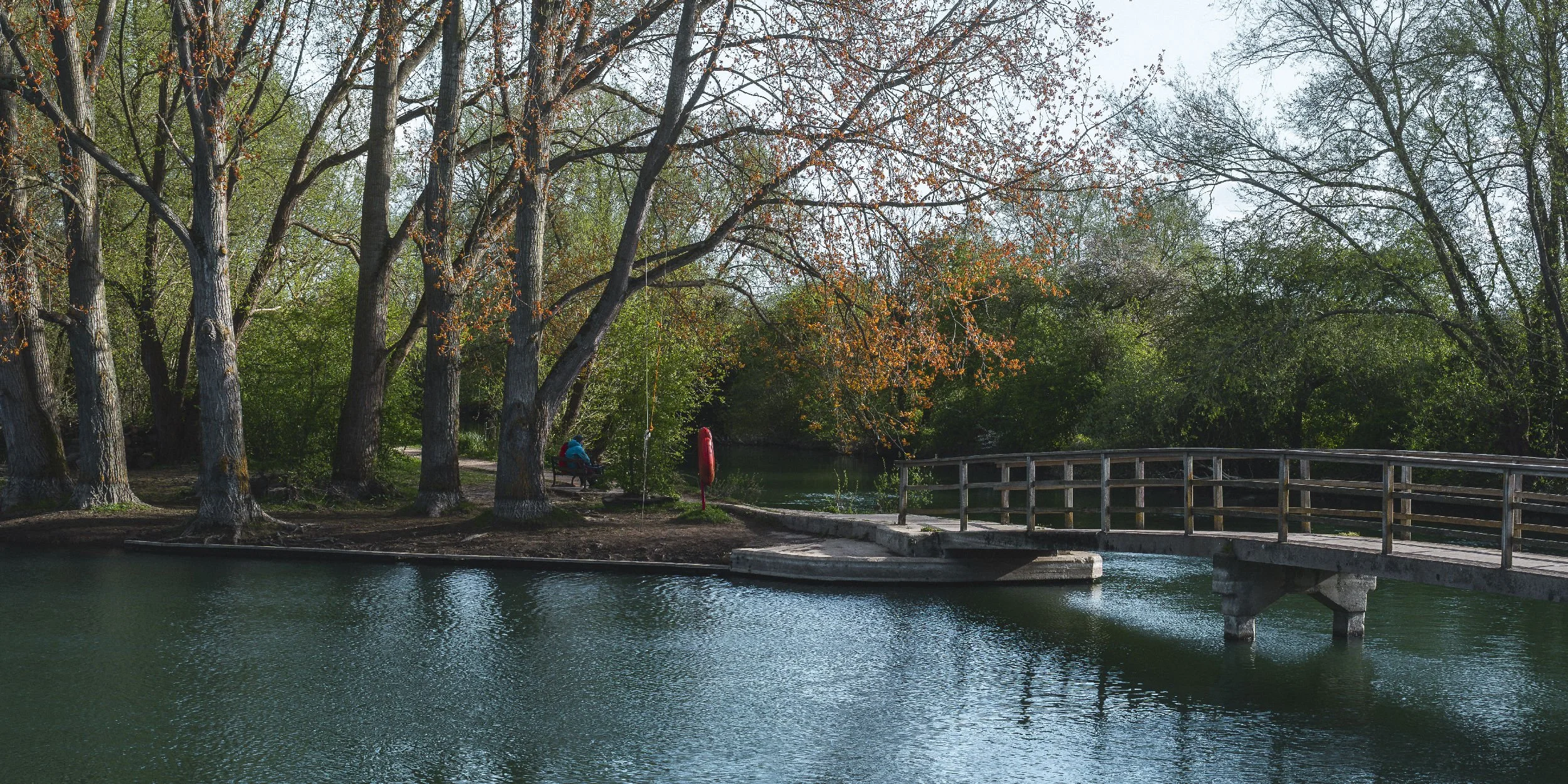
The honest answer is a kingfisher. Waterstock Mill apparently has them, along with otters, ducks and a variety of other wildlife. As I was scanning the river banks like I knew what I was doing… A flash of blue streaked across in front of me, probably a kingfisher! That’s as close I got to the elusive bird though.
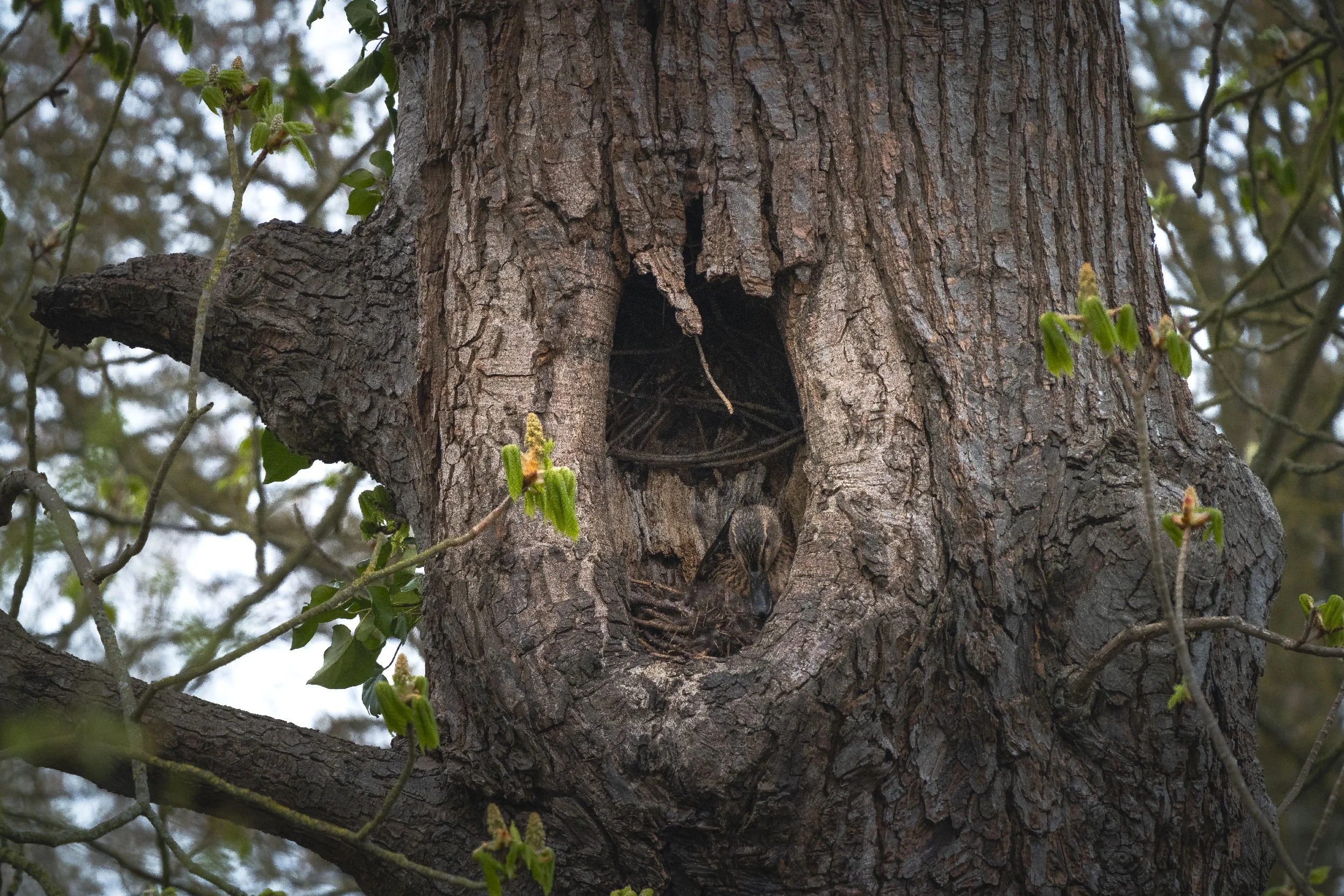
What I did find, entirely unexpectedly, was a duck sitting in a nest halfway up a tree. I zoomed in fully convinced something interesting was happening, and there it was. Just a duck. In a tree. Apparently this is normal behaviour and I've just never noticed. Learn something new every day.
That evening I watched an Attenborough programme filmed at the exact same location, which featured otters, kingfishers and what appeared to be every species of bird in southern England all going about their lives in glorious slow motion. I then learnt that the ducks here nest higher up to avoid local predators, most probably the foxes.
They had a full production crew, hides, unbridled access to the private land and a year's worth of patience. I had a Sony A7Rv, 200-600mm lens, one hour and mild optimism. The results reflected this!
Anyway. The project.
Three Things Any Good Photography Project Needs
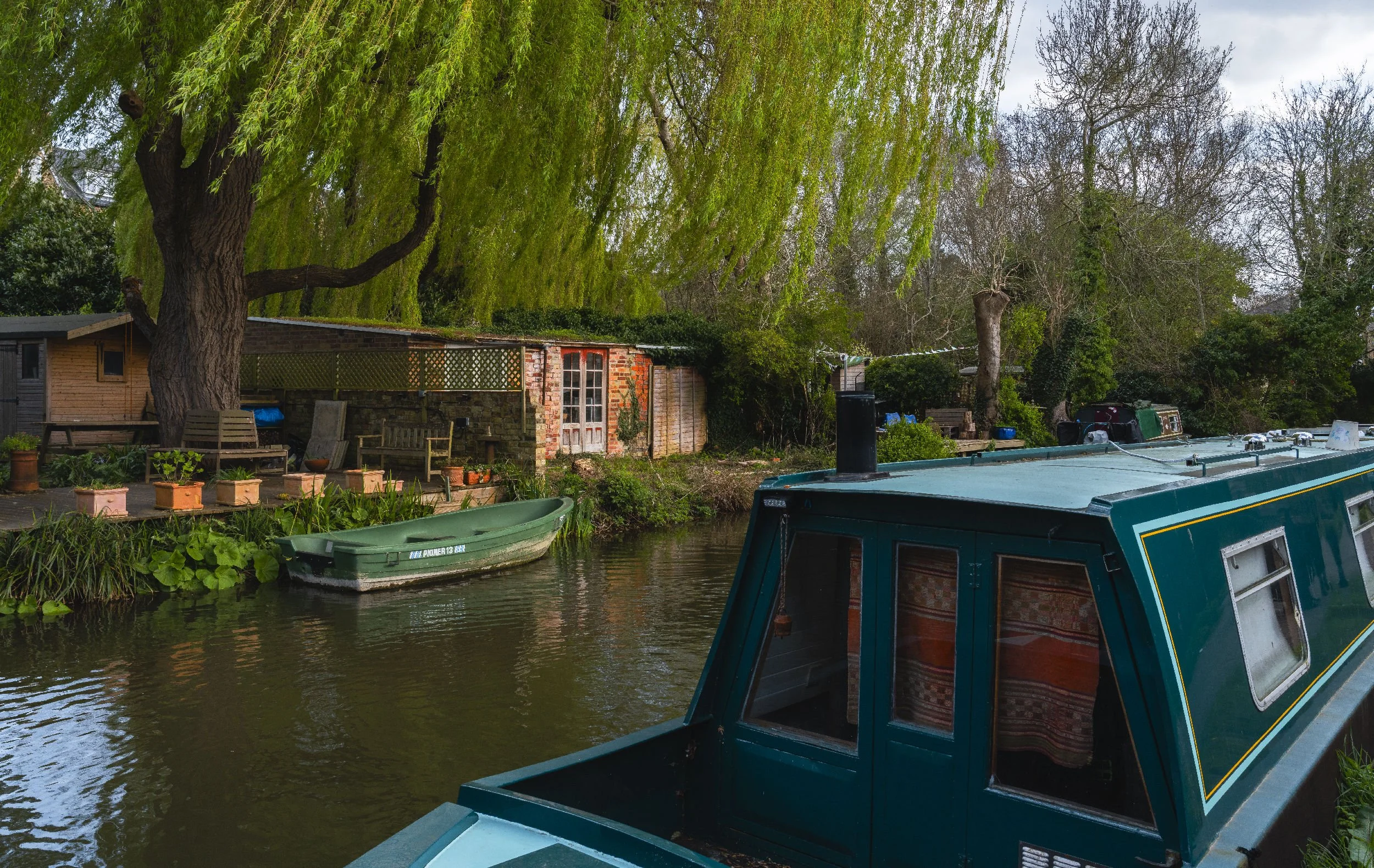
I began to work this out whilst walking along a canal path in Oxford the following morning, mildly regretting the gallon of Guinness I’d consumed putting the world to rights with my mate down the pub the night before. I was genuinely grateful for the fresh air and flask of coffee.
1. The theme has to hit a specific sweet spot.
Vague enough to give you room to work over months or years, but not so vague it becomes meaningless. This is harder than it sounds.
"Nature" is too broad. "Red boats" is way too specific and also what am I going to do when I've photographed two red boats and run out of red boats.
The best projects I've seen tend to find something in between, a concept rather than a subject.
Two photobooks on my shelf that get this right: Nigel Danson's Seascapes and James Popsys' Human Nature. Both are specific enough that the work has a clear identity, broad enough that you could spend a career inside them without repeating yourself. That's the target.
2. It has to be something you genuinely enjoy
Again, obvious. But it's surprisingly easy to talk yourself into a project that looks impressive on paper and then discover mid-way through that you're forcing yourself out of the house to photograph things you don't actually care about.
Start chasing the wrong topic and you end up forcing it. Creativity can’t be forced.
It’s about chasing a target for yourself, not for anyone else, not for notoriety or because of the latest trends. Pick it for the right reasons otherwise you’ll end up stressing yourself out trying to get it done. Remember all that homework you did at school, it can’t be anything like that!
If you don’t enjoy it, you’ll be less inclined to do it, this is where half completed projects lie. It’ll only end up causing you stress, the complete opposite of what a project is meant to do.
3. It has to be achievable
I work full time. Photography and YouTube happen around evenings, weekends and annual leave. I can't build a project around photographing every significant mountain range on earth!! I mean I could… I’d bloody love it, my bank account wouldn’t though, unless NatGeo want to sponsor me to do it? Please?!
It has to fit into real life, which probably means something I can work on in the UK with occasional trips abroad rather than something requiring a flight every time I want to make progress.
That probably means:
accessible locations in my local area or on my way to the office in London
flexible shooting opportunities
subjects I can revisit repeatedly if needed
something achievable over months or years
The Photography Project Ideas I Actually Considered
Armed with my phones notes app (which I’d been jotting in random ideas as they came to mind) and a fresh coffee, I ran through a list on my YouTube video.
City breaks / street photography: great fun, actively getting into it, but requires too much travel to sustain with a full-time job.
Juxtaposition vs. Harmony: riffing on the Popsys ‘versus’ idea, genuinely interesting, still on the mental shelf.
Reflections: nice compositional element but probably more of a technique than a project.
Geometry in nature: interesting, especially if you go deep into macro work and the mathematical patterns that appear in natural forms. Fractals and the like. But perhaps a bit narrow and not something I have a deep knowledge of.
Astrophotography: What got me into photography in the first place, my first love if you will! But where I live in the UK isn’t great for light pollution, and working days whilst trying to photograph the night may prove too much.
Science in nature: Another take on combining my interests, but I think the scope may be too narrow. Satellite dishes surrounded by trees then what else?
Minimalism: This one keeps nagging at me too. I love minimalist photography. I find it incredibly difficult to do well, which might actually make it more worthwhile rather than less. Ticks all three boxes from my requirements list…
But the one I keep coming back to is colour theory.
Why ‘Colour Theory’ Might Be the Answer
Looking back through my work with fresh eyes, the images I'm most drawn to tend to have strong, deliberate colour relationships in them. It’s something I try to bear in mind when editing. Not just appealing colours, but colours doing something intentional in the frame.
Colour theory as a photographic concept is deeper than most people give it credit for, and that depth is part of the appeal as a long-term project. It’s not just ‘red and green should never be seen’!! Although that’s an old fashion addage, I think Mario and Luigi look great together!
I’ve done some work on colour theory in the past for my light painting business luminosfy.co.uk. The products we’ve created, some of which are based on complimentary colour theory (specifically the complimentary and tri-colour choob ranges!!)
Complementary colours sit opposite each other on the colour wheel. Blue and orange. Red and green. Yellow and purple. Placed together in a frame they create natural tension and visual energy, which is exactly why cinema has defaulted to that teal and orange grade for the last two decades. It works because the colours are fighting each other in just the right way.
Split complementary colours take one base colour and pair it with the two shades flanking its complement on the wheel. A slightly softer version of the same idea, less confrontational but still visually interesting and much less predictable than a straight complementary pairing.
Then there are clashing colours: combinations that create discomfort or unease. This is the area most photographers instinctively avoid, and I think there's genuinely interesting work to be made in leaning into it deliberately.
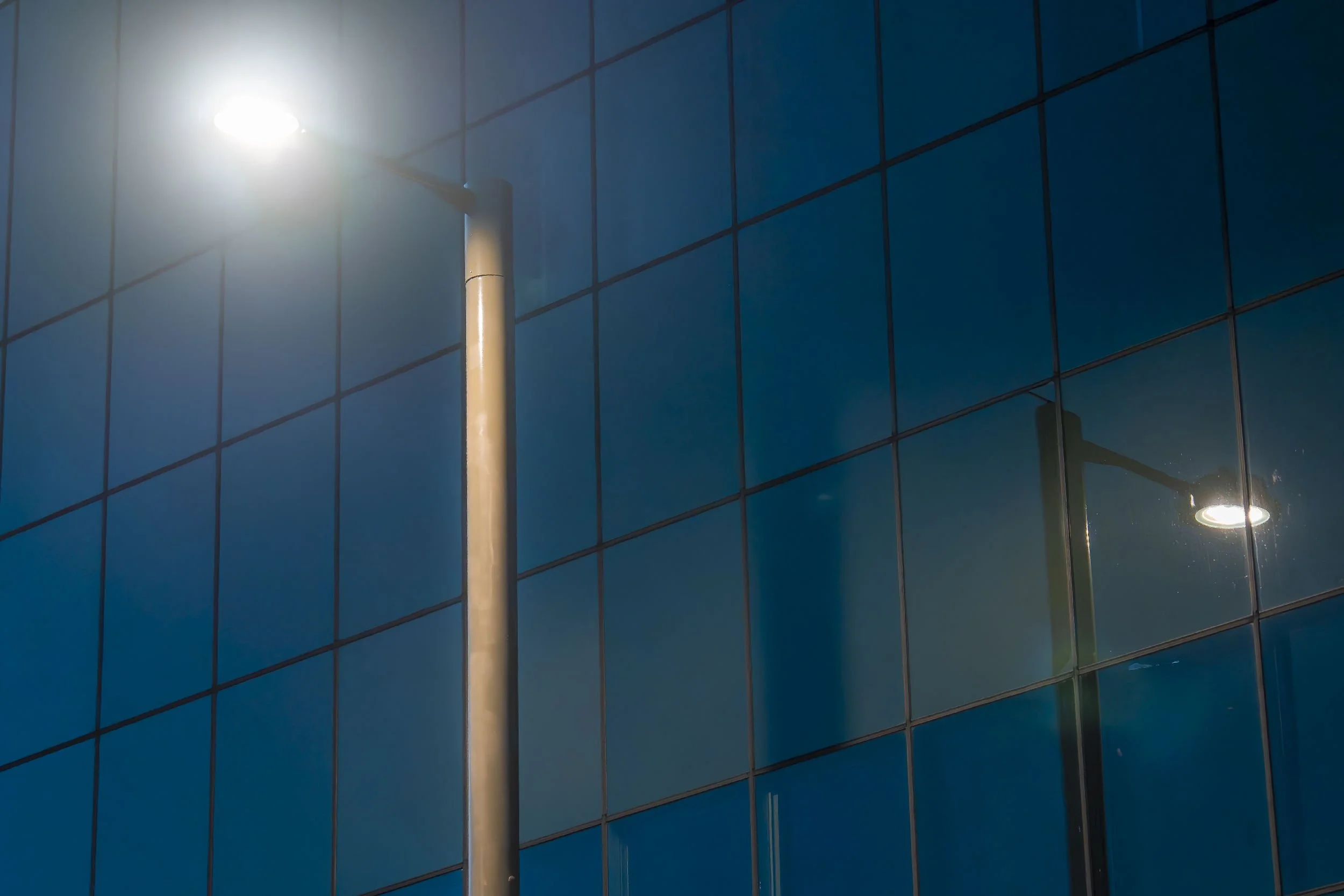
The angle that excites me most, though, is the relationship between colour ratios and emotional mood. This is something cinematographers think about carefully. What percentage of the frame is filled with each colour, and how does that proportion change the feeling of the image?
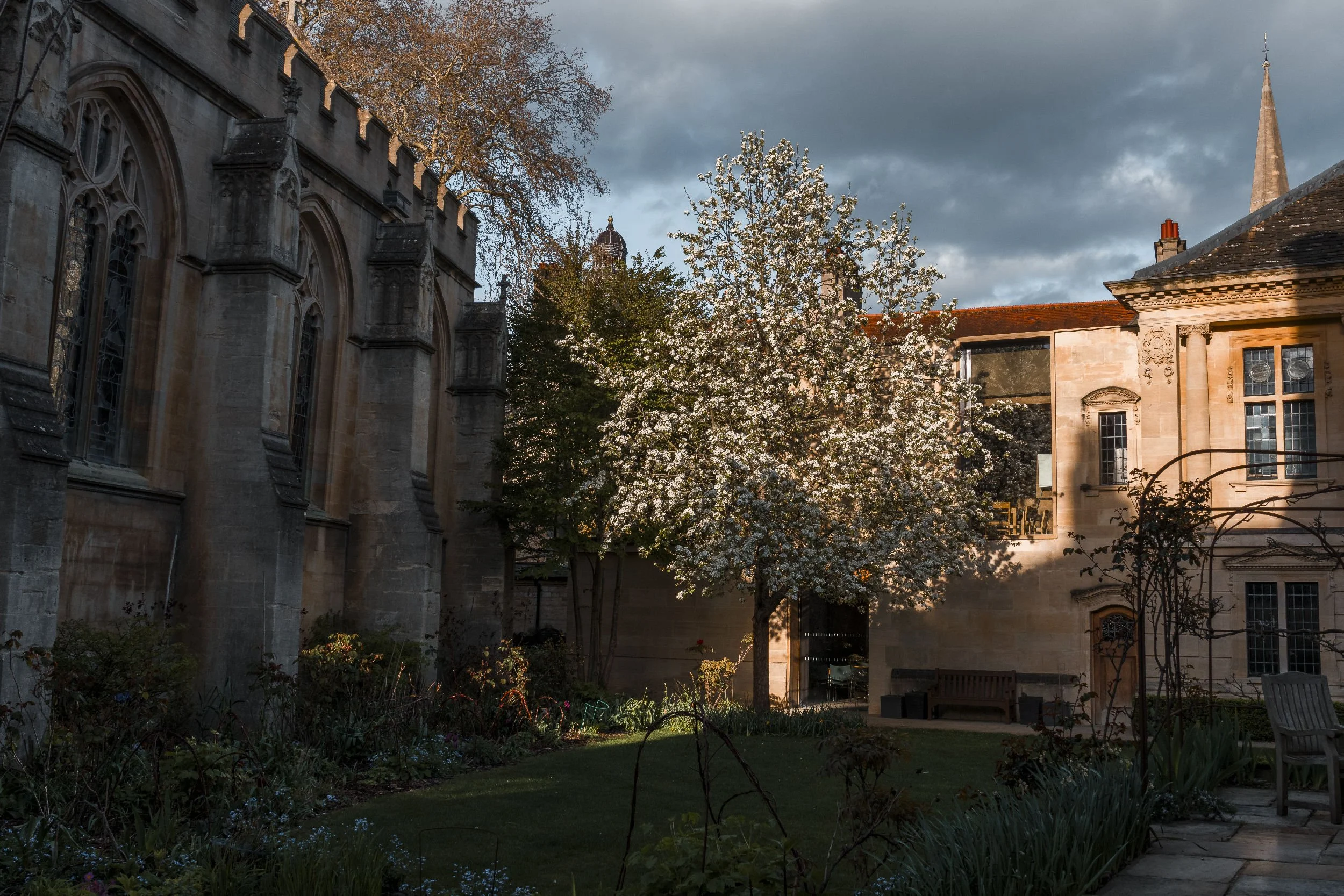
A frame that's predominantly deep blue with a small hit of warm red (like the one below on the walk back to the train station in oxford) tells an entirely different emotional story to one filled with amber and soft greens. Getting intentional about those ratios rather than hoping for the best feels like it could transform how I approach a shoot.
And critically for my situation, it's a project I can pursue almost anywhere. Oxfordshire on a drizzly Sunday. Oxford city centre. On the next big trip. The theme travels with you, which makes it genuinely sustainable around a normal life.
Where This Is Actually Going
I haven't fully committed yet, and I'm trying not to force it. The next step is going back through my existing portfolio to see whether there's already a colour language running through my favourite images that I haven't consciously noticed. If there is, that's a strong signal. If there isn't, that might be even more interesting.
Whatever I land on, I'll take you through how I structure and develop it as a project, because I think the thinking behind a long-term creative direction is at least as worth documenting as the photos themselves.
Perhaps if I target doing my own photography book, one that covers the topic and includes all the photos from that project can help with the structure… but that’s for an upcoming video.
Watch the Full Video
In the video version of this post, I talk through the process in real time while wandering around Oxfordshire, trying to figure out what kind of photographer I actually want to become.
Maybe I’ve found my next photography project.
Maybe not.
But I think I’m getting closer.