Colour Theory 101: A Photographer's Guide to Using Colour
Colour theory. Two words more or less guaranteed to drag you back to a stuffy art classroom that smells faintly of poster paint and regret. For years I treated it as something graphic designers fretted over while the rest of us just pointed a camera at a nice sunset and hoped for the best. Turns out I was wrong. And a bit lazy.
Once it actually clicked, colour theory changed the way I read a scene before I'd even lifted the camera to my eye. So this is the plain English version, no jargon, no homework, aimed squarely at photographers rather than people picking paint for a logo.
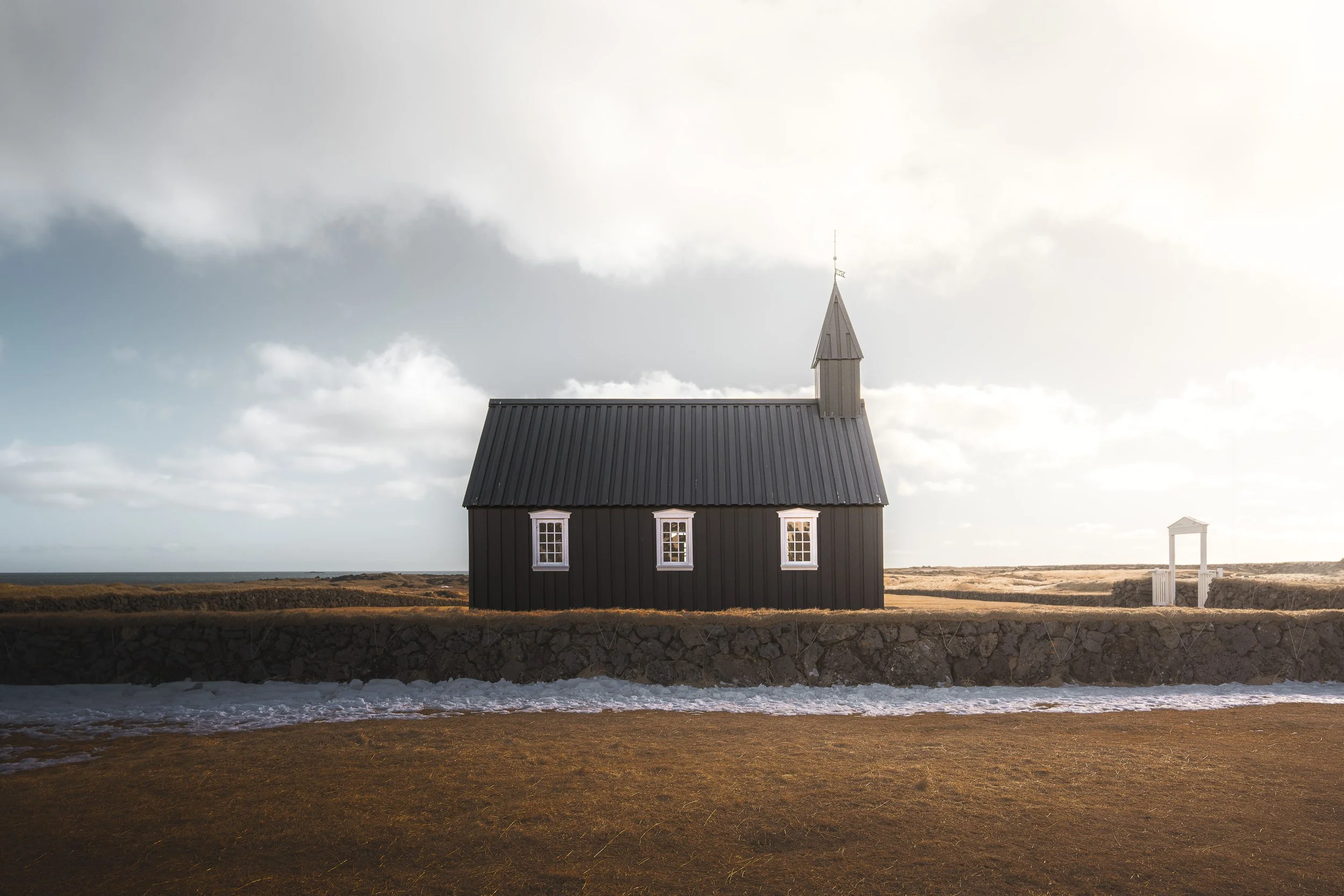
Búðakirkja, Iceland - The yellow post-winter grass is a complimentary colour to the pale blue sky
At a glance
Colour theory explains how colours relate to each other, how to combine them, and how they change the way an image feels.
The colour wheel organises everything into primary, secondary and tertiary colours.
Colour harmonies (complementary, analogous, triadic, monochromatic) are reliable recipes for combinations that just work.
In photography, colour is a compositional tool. It sets the mood and it leads the eye.
You don't need to memorise any of it. You need to start noticing it.
What Is Colour Theory?
Colour theory is the set of guidelines that explains how colours relate to one another, how they can be combined, and how those combinations affect the way an image feels to the person looking at it. That's it. It's part science, part art, and a surprisingly large part common sense once someone has shown you the wheel.
Designers and artists have leaned on it for centuries to communicate emotion, evoke a mood and create visual impact. Photographers can do exactly the same. The difference is that we're rarely choosing our colours from scratch. We're choosing where to stand, when to show up, and what to leave out of the frame so the colours already in front of us do their job.
Understand the basics and you stop taking colour for granted. You start using it on purpose
The Colour Wheel
The colour wheel is a visual map of how colours relate, and it's the foundation everything else sits on. It's built in three layers.
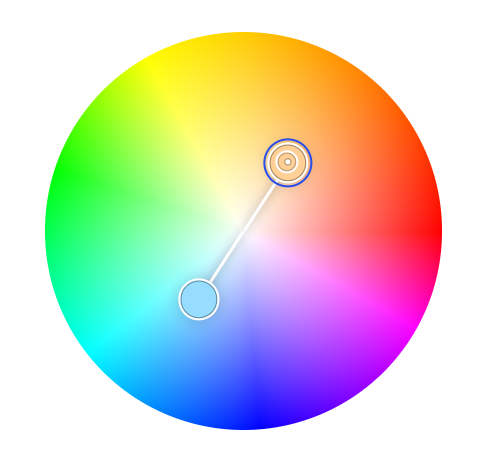
An example of a colour wheel showing complimentary colours from my Búðakirkja image above
The primary colours are red, yellow and blue. These are the originals. You can't create them by mixing other colours, which is rather the point of them.
The secondary colours are green, orange and purple, each made by mixing two primaries. Blue and yellow give you green, red and yellow give you orange, and so on.
The tertiary colours are the in-betweeners, made by mixing a primary with a neighbouring secondary. Think yellow-green or blue-purple. These are the shades that make real scenes interesting, because nature very rarely hands you a pure, textbook primary.
A quick honest aside. This is the artist's wheel, based on red, yellow and blue. Your camera and screen actually mix light using red, green and blue, which behaves a little differently. For everyday shooting and editing you can happily ignore that distinction. I'm only mentioning it so nobody emails me.
The reason the wheel matters is that it shows you, at a glance, which colours sit near each other and which sit opposite. And that relationship is where harmony comes from.
Colour Harmony

Light painting with complementary colours on the Pembrokeshire coast, using Luminosify Choobs.
Colour harmony is just the art of combining colours so the result feels balanced rather than like a collision. There are a handful of go-to recipes, and they're worth knowing because they take the guesswork out of it.
Complementary colours sit directly opposite each other on the wheel. Blue and orange. Red and green. Yellow and purple. Put them together and you get punchy, high-contrast images that grab attention. This is why a golden sunrise against a deep blue sky looks so good. It isn't luck, it's complementary colour doing the work for you.
Analogous colours sit next to each other, like yellow, yellow-green and green. They share a family resemblance, so the result feels calm, gentle and cohesive. Most misty woodland shots live here, all soft greens and yellows, quietly getting along.
Triadic colours are three colours evenly spaced around the wheel, such as red, yellow and blue. Vibrant and balanced, though harder to find in a landscape unless you go looking. Perhaps a sunny day in Lofoten, blue skies and oodles of red and yellow buildings…. yea, not so hard to find if you happen to be around Reine, Hamnøy and Sakrisøy!!
Monochromatic colours are variations of a single hue, lighter and darker shades of the same blue, say. Calm, elegant, and brilliant for minimalist scenes. A foggy morning often does this for free.
You don't have to force any of these. Half the skill is simply recognising which one a scene is already serving up, then composing to make the most of it.
Colour Psychology
Colour psychology is the study of how colour affects mood and behaviour, and it's the bit that turns a technically fine photo into one that actually makes someone feel something.
Different colours carry different emotional baggage. Red can mean passion, energy or danger (or spicy food!). Blue leans towards calm, trust, and occasionally a touch of melancholy. Green reads as natural, fresh and restful. Yellow is warmth and optimism. None of this is rigid law, and culture plays a part, but the broad strokes are surprisingly reliable.
For a photographer this is gold. A scene drenched in cool blue says something very different from the same scene bathed in warm golden light, even if nothing else in the frame has changed. Once you're aware of it, you start choosing your moment partly on the emotion the colour will carry, not just the quality of the light. This is also where white balance or applying shadow/midtones/highlight tints can play a big part in changing an images perception.
Check out these two shots, taken minutes apart at the same place, Cadini Di Misurina. When the sun popped out, I edited a warmer tone. When it went behind a cloud, a cooler edit. Do these images give you different feelings when you look at them?
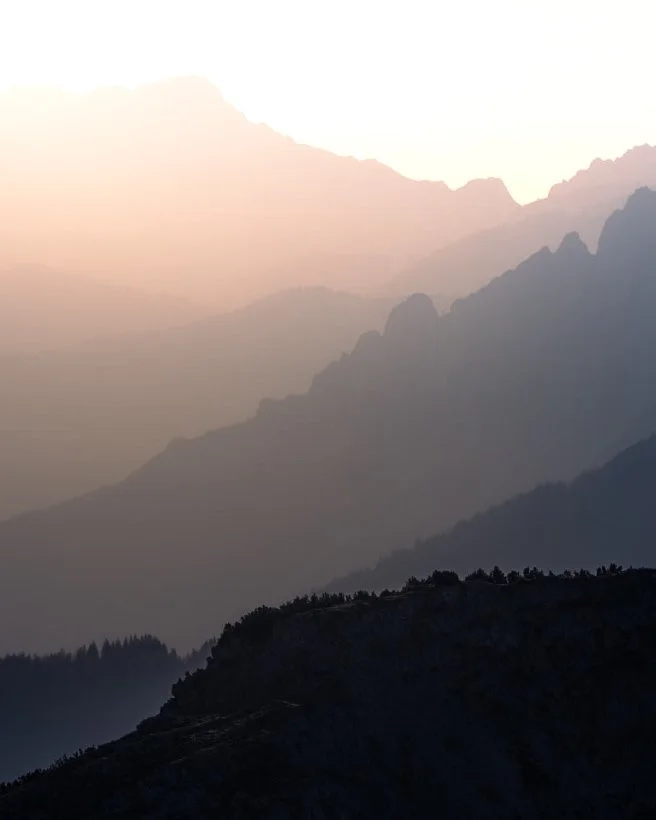
Cadini Di Misurina : Warm Tone Edit of Layers in the Landsacpe
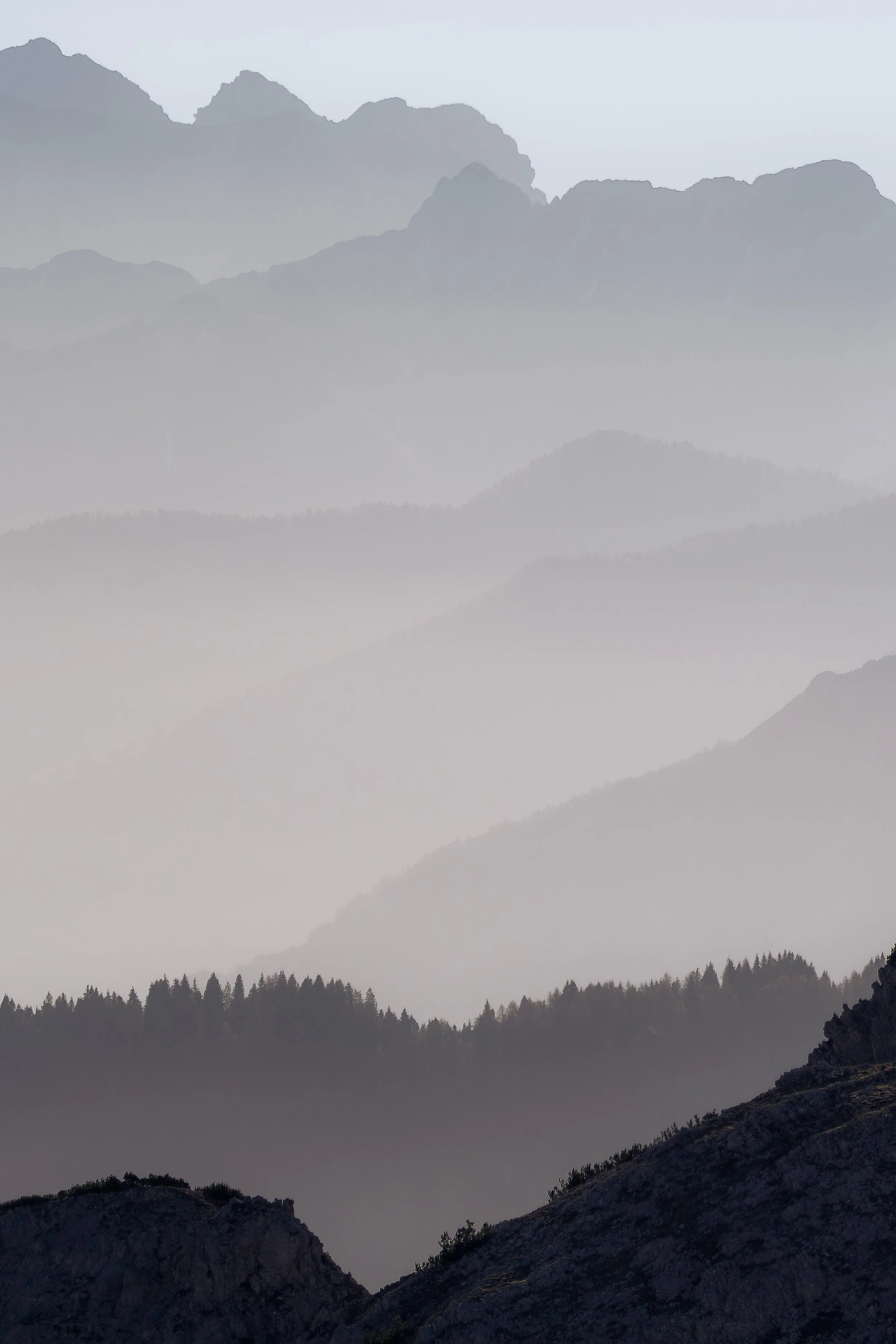
Cadini Di Misurina : Cool Tone Edit of Layers in the Landsacpe
Colour Hierarchy: Using Colour to Lead the Eye
Here's one that doesn't get talked about enough. Colour hierarchy is the idea that some colours pull the eye harder than others, and you can use that to decide what your viewer looks at first.
Warm, saturated colours (reds, oranges, bright yellows) tend to leap forward and demand attention. Cool, muted colours (blues, greens, greys) sit back and recede. So a single warm element in an otherwise cool scene becomes an instant focal point. A red coat. A patch of golden grass. A lit window in a blue dusk.
In practice this means you can build a kind of running order for the eye. Put your strongest, warmest colour where you want attention to land, and let the cooler tones do the supporting work. It's one of the quietest, most powerful tricks in composition, and it costs nothing but a bit of awareness.
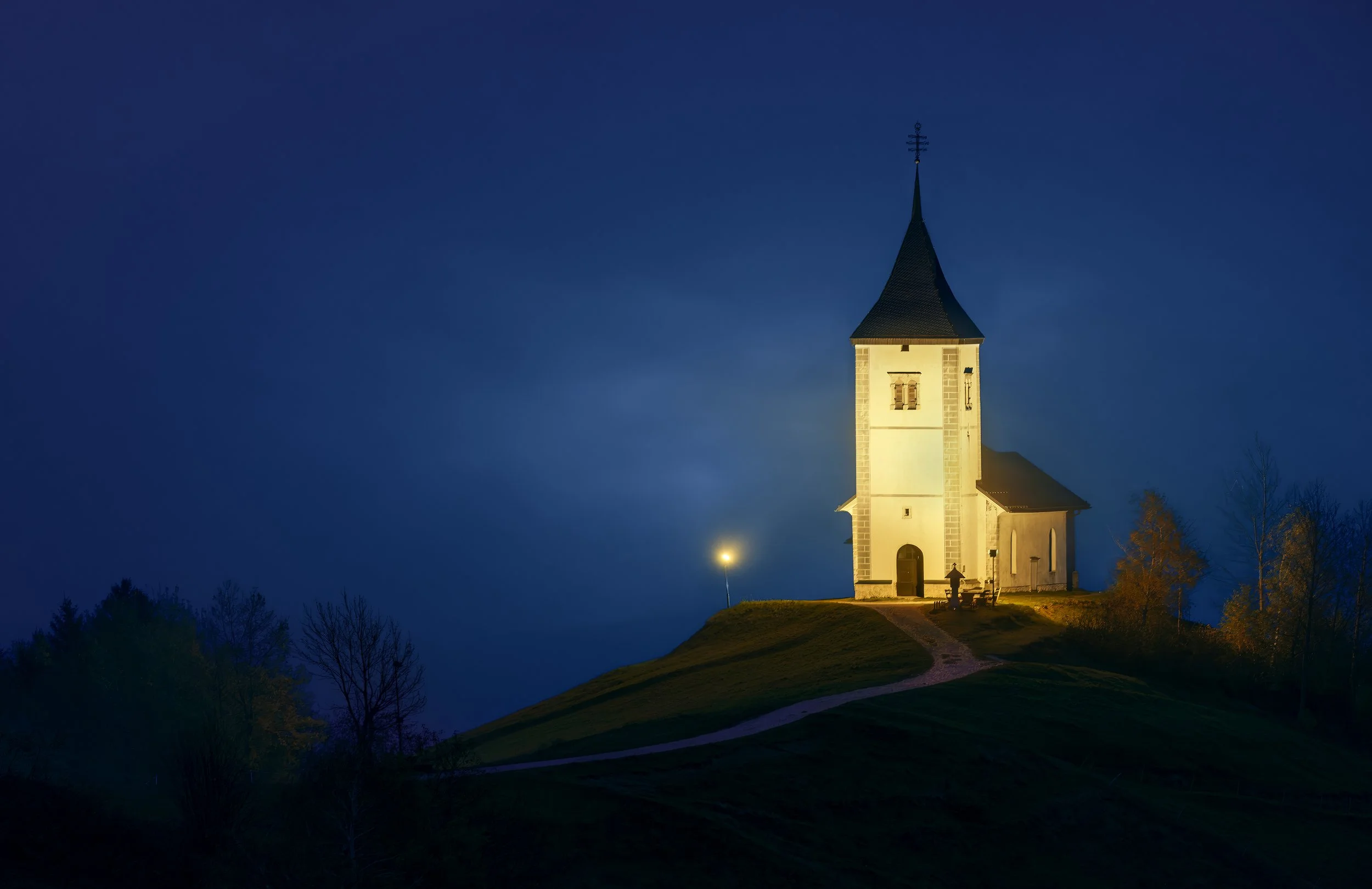
Jamnik, Slovenia: Shot at blue hour, see the instant focal point!
Colour Theory in Landscape Photography
This is where it all comes together, and where I spend most of my time. The colours in a landscape carry the mood, and knowing your harmonies helps you shape that mood rather than leaving it to chance.
A few ways it plays out in the field:
Complementary contrast is the classic landscape move. Blue hour and golden hour both hand you that blue-and-orange relationship on a plate. Compose so the warm light and the cool shadow play off each other and the image gains depth and tension automatically.
Analogous calm suits softer scenes. A valley of greens and yellows, or a sunset running through reds, oranges and pinks, feels harmonious and easy on the eye. Lean into it for tranquil, contemplative shots.
Colour as the subject is worth trying when the light is, frankly, flat and miserable and the grand vista isn't happening. On those days, hunt for a single strong colour relationship instead of a sweeping scene. A lone red boat. A field of one stubborn colour. Let the colour be the photo.
Cycle through these deliberately on a shoot and you'll come home with variety rather than ten versions of the same idea. Use colour well and you don't just record a landscape, you make someone feel it. Which is the whole game.
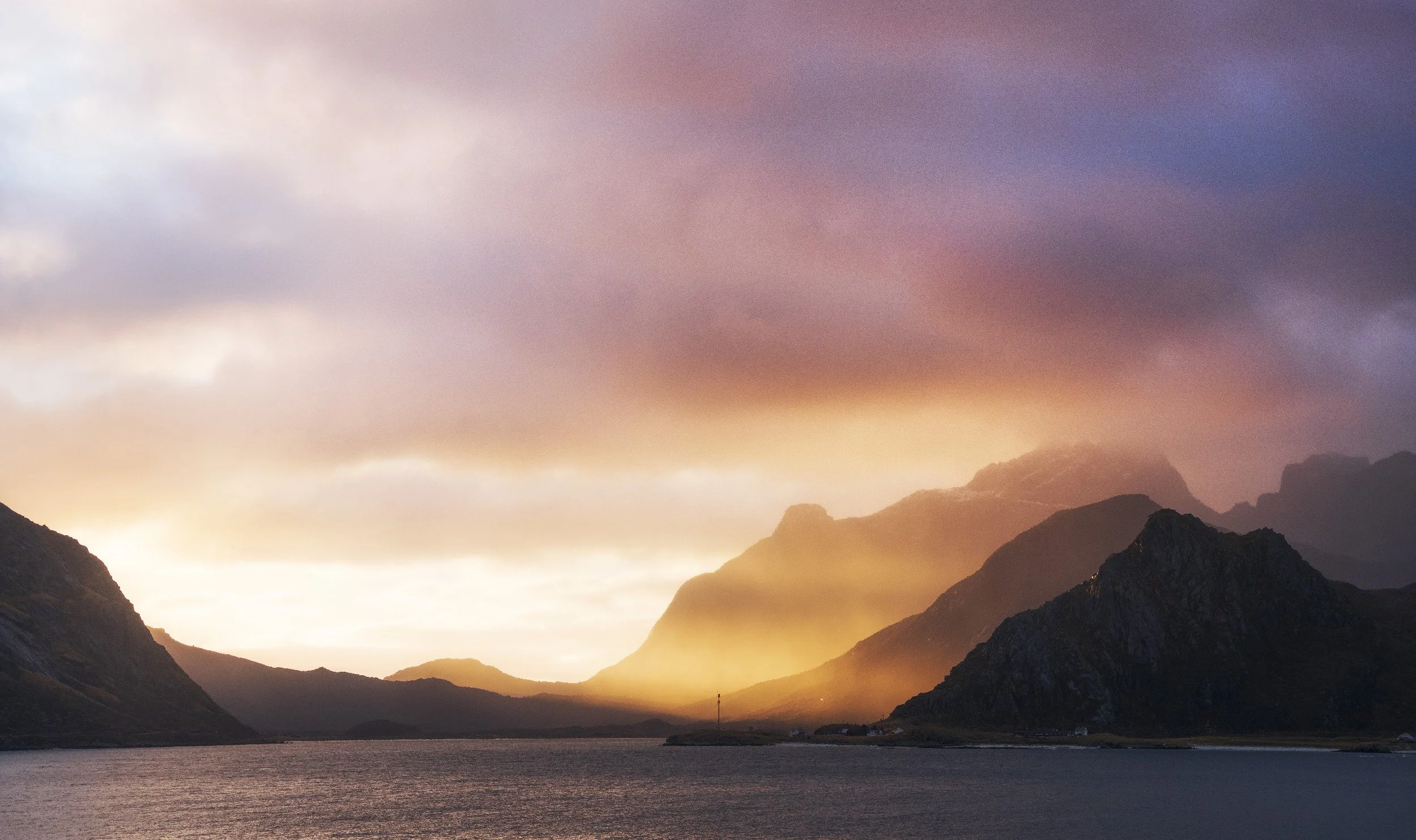
Lofoton, Norway: Landscape using analogous pink, yellow and red colours for a calm, harmonious mood.
Try It Yourself with Adobe Color
The fastest way to get colour theory into your bones is to play with it, and Adobe Color is a free tool that makes that easy, even though they’ve spelt colour incorrectly!!!
You can pick a base colour and watch it generate complementary, analogous, triadic and monochromatic schemes in real time. Better still for photographers, you can upload one of your own images and have it pull out the colour palette automatically. It's genuinely eye-opening to feed it a shot you love and see exactly which relationship was quietly making it work.
Have a brew, upload a few of your favourites, and look for the pattern. I'd put money on most of them landing on complementary or analogous without you ever having planned it!
My Next Project: Shooting Colour on Purpose
Reading about this is one thing. Actually using it is another, and I'm as guilty as anyone of nodding along to theory then forgetting it the moment I’m camera in hand atop a mountain looking for shots.
So I'm putting my money where my mouth is… I'm starting a photography project built entirely around colour theory, forcing myself to plan and shoot images around specific colour relationships rather than stumbling onto them by accident. The idea is to stop treating colour as a happy accident and start treating it as a decision.
If you want the bigger picture on how I picked this project and why they're hopefully good for getting out of a creative rut, I've written about that here: Photography Project Ideas: How I'm Finding My Next Creative Direction.
I'll also be documenting this colour project over on the channel, so you can follow along and see whether the theory survives contact with the real world, here’s me pondering photography projects.
Frequently Asked Questions
What is colour theory? Colour theory is a set of guidelines describing how colours relate to one another, how they can be combined, and how those combinations affect the mood and impact of an image. It covers the colour wheel, colour harmony and colour psychology.
What are the primary, secondary and tertiary colours? The primary colours are red, yellow and blue, and cannot be made by mixing others. The secondary colours (green, orange, purple) are each made by mixing two primaries. The tertiary colours, such as yellow-green, are made by mixing a primary with a neighbouring secondary.
What is colour harmony? Colour harmony is the practice of combining colours in a balanced, pleasing way. The main harmonies are complementary (opposite colours), analogous (neighbouring colours), triadic (three evenly spaced colours) and monochromatic (shades of one colour).
What is colour hierarchy? Colour hierarchy refers to the way some colours draw the eye more strongly than others. Warm, saturated colours advance and grab attention, while cool, muted colours recede. Photographers use this to control where a viewer looks first.
How do photographers use colour theory? Photographers use colour theory to set mood, create contrast and guide the viewer's eye. Common examples include using complementary blue and orange at golden hour, or placing a single warm colour in a cool scene to create a focal point.
What's Next
You don't need to memorise the wheel or carry a chart in your bag. Start small. On your next shoot, name the dominant colour relationship in front of you before you press the shutter. That's it. Do that a few times and it becomes automatic, and your compositions get stronger almost by themselves.
Keep experimenting, keep noticing, and the rest follows.
If you'd like to see this in practice, head over to my YouTube channel, and if you're still building your foundations, my Beginner Light Painting Guide is a fun way to play with colour in a more hands-on way.