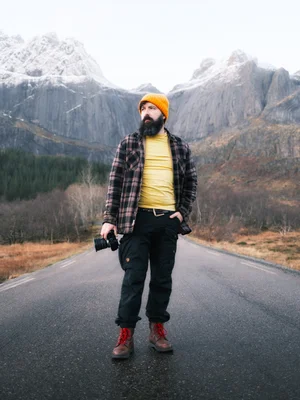
Tromsø to Lofoten: An Arctic Norway Road Trip for Photographers
There's a version of this trip that exists on Instagram. Endless golden light on red cabins, aurora dancing obligingly over a fjord, story highlights of me looking wistfully at a mountain. Ours had rather more rain in it.
We spent a fortnight driving from Tromsø down through Senja and Lofoten and back again, in November, with roughly seven hours of daylight a day and weather that ranged from moody to biblical. It was one of the best photography trips I've ever done. Not despite all that, but largely because of it.
This is the piece that ties the whole thing together: the route we drove, what the driving is actually like up there, how much time you need, and the mistakes worth learning from. The individual locations get their own guides, which I'll point you to as we go.
The Arctic Norway road trip: the quick version
- The route: Fly into Tromsø, hire a car, drive to Senja, then two days south to Lofoten, then back north to Tromsø. A loop with a long tail.
- How long: A fortnight is about right. Most of it spent in Lofoten, with the weather stealing the odd day.
- When we went: November. Roughly seven hours of daylight, a lot of rain, and aurora on the cards.
- Getting around: A hire car is essential. Winter tyres come as standard in season. Build slack in for tunnel closures and ferries.
- The legs: Senja (quiet and dramatic), the two-day drive south, Lofoten (the famous honeypots), then the long drive north.
- Biggest lesson: Do the daylight maths honestly, build in weather days, and revisit locations rather than ticking them off.
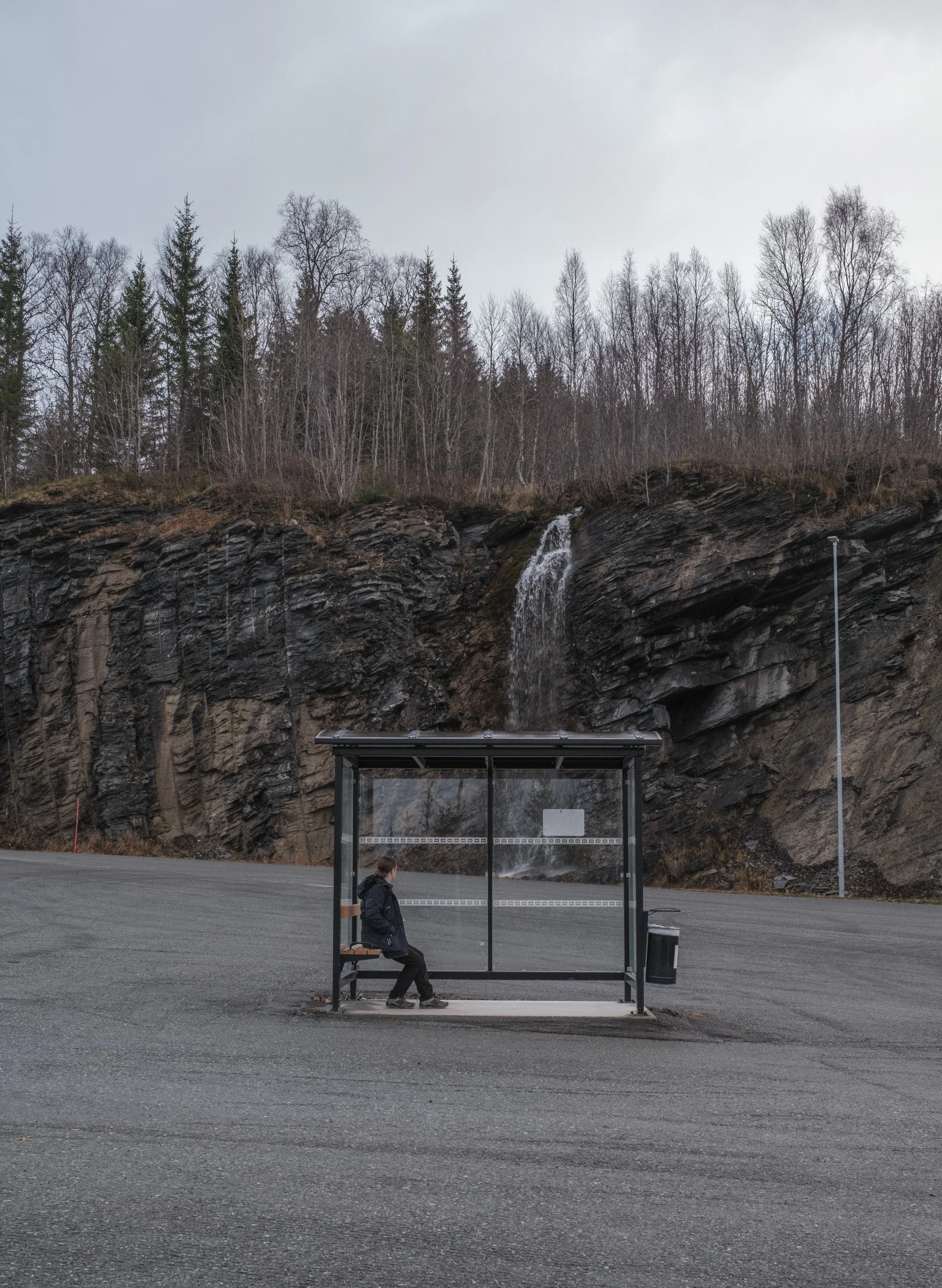
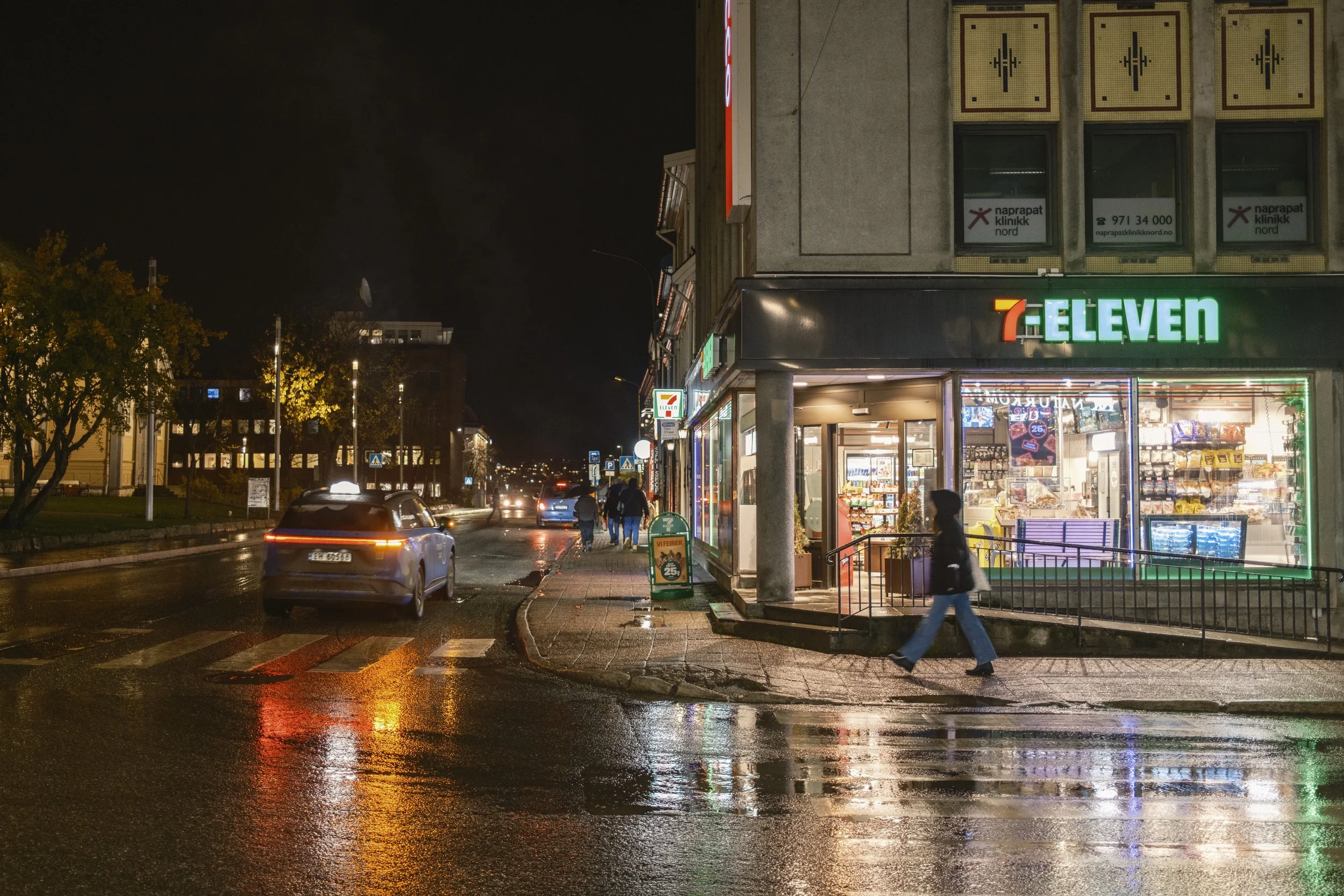
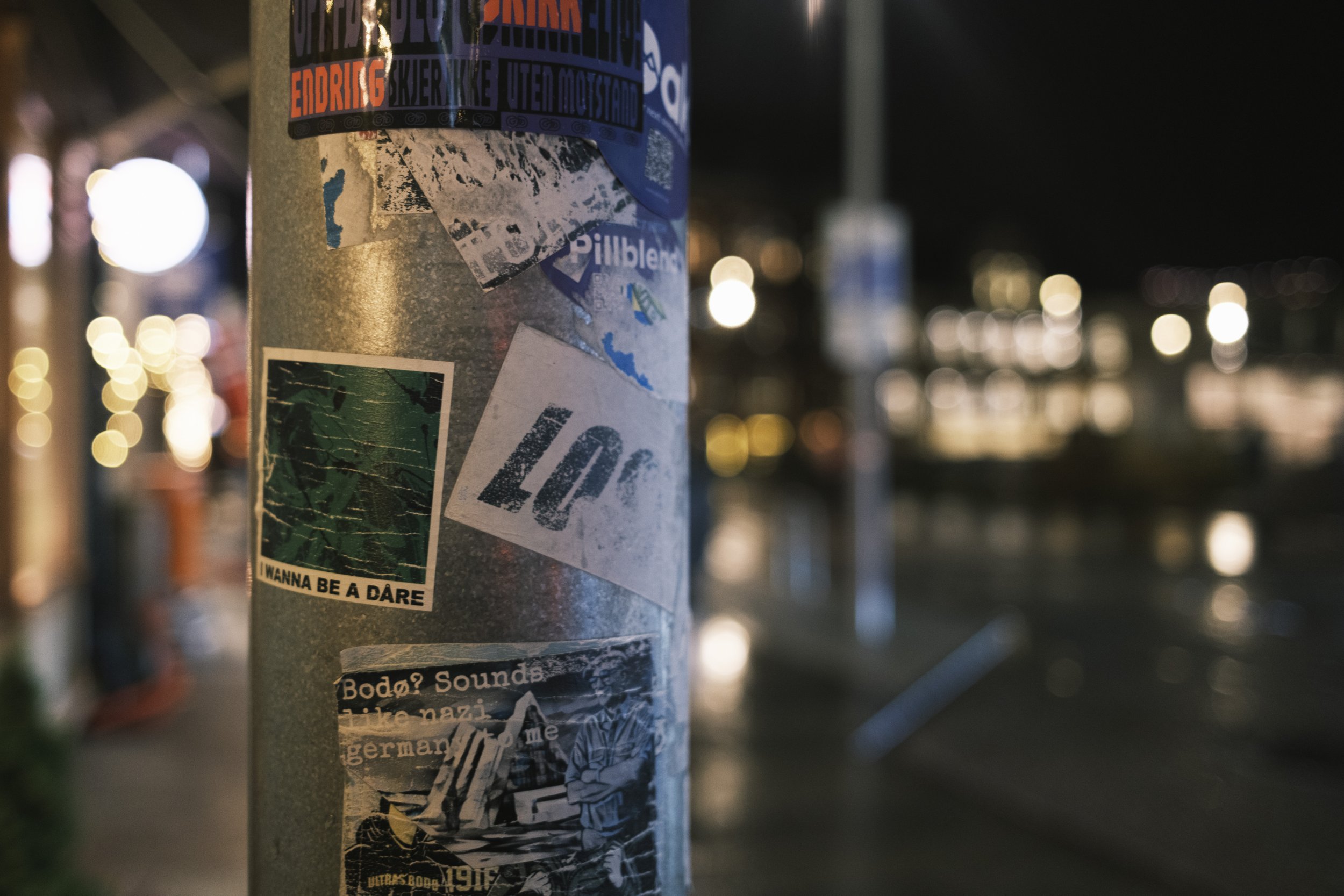
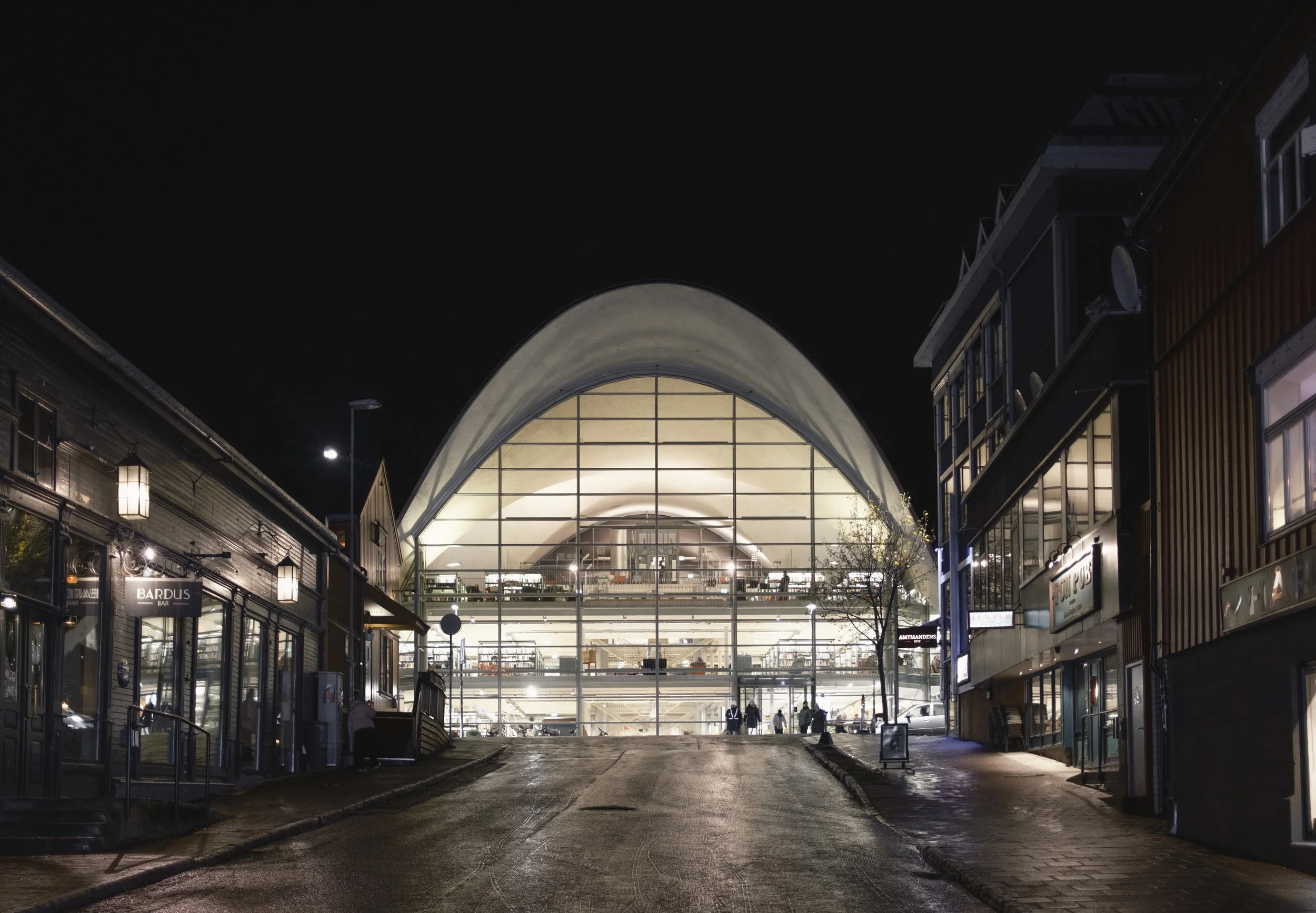
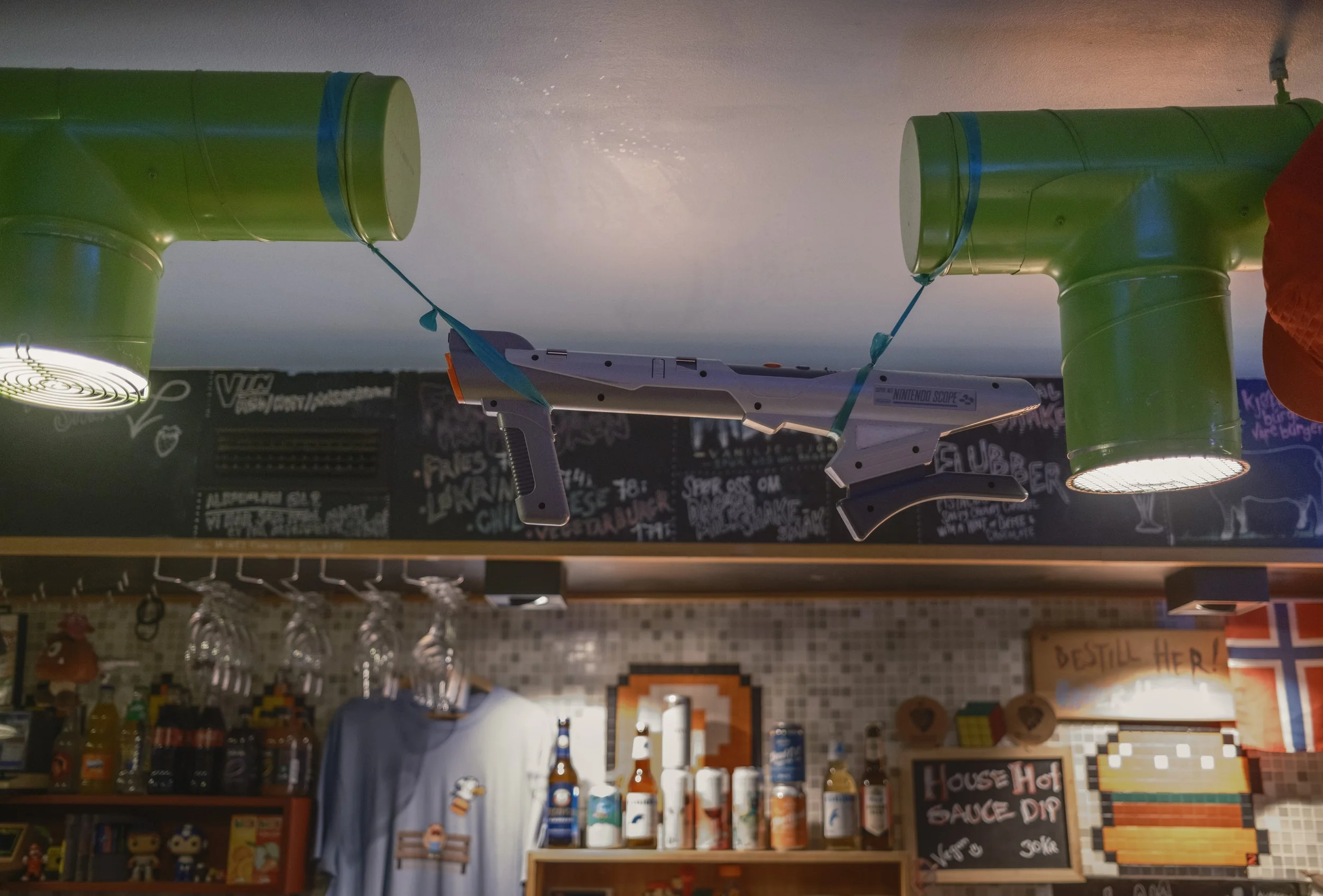
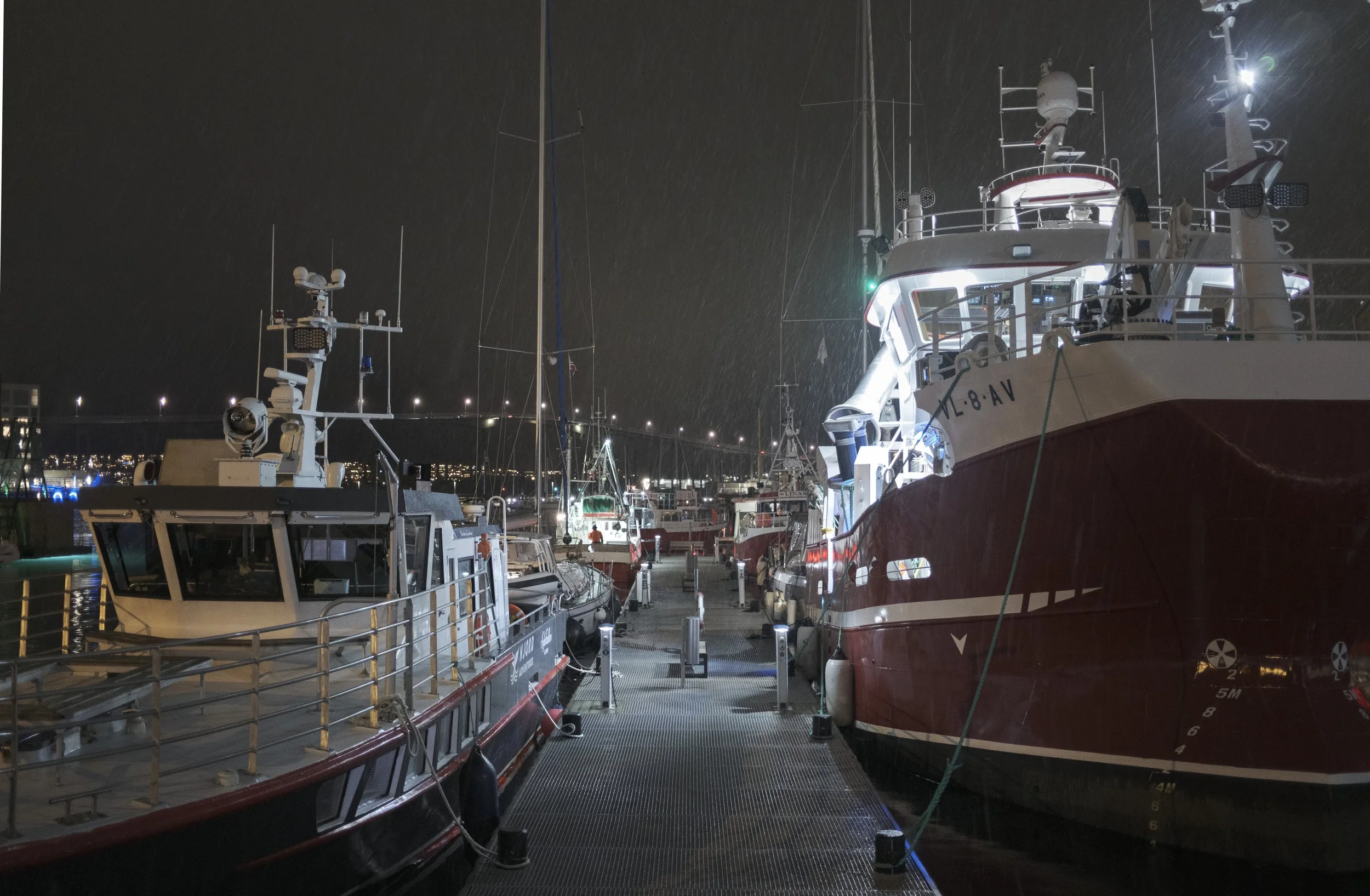
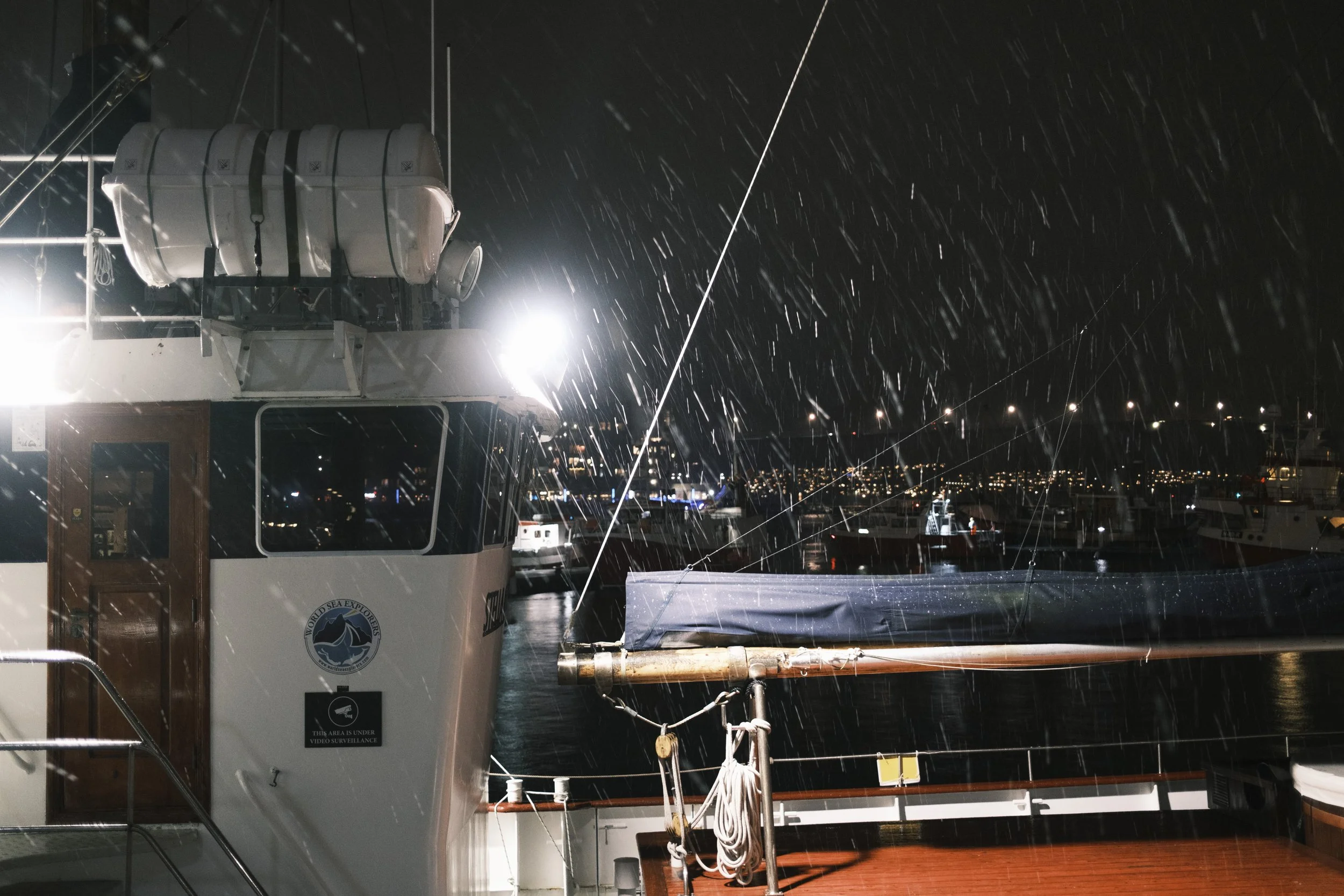
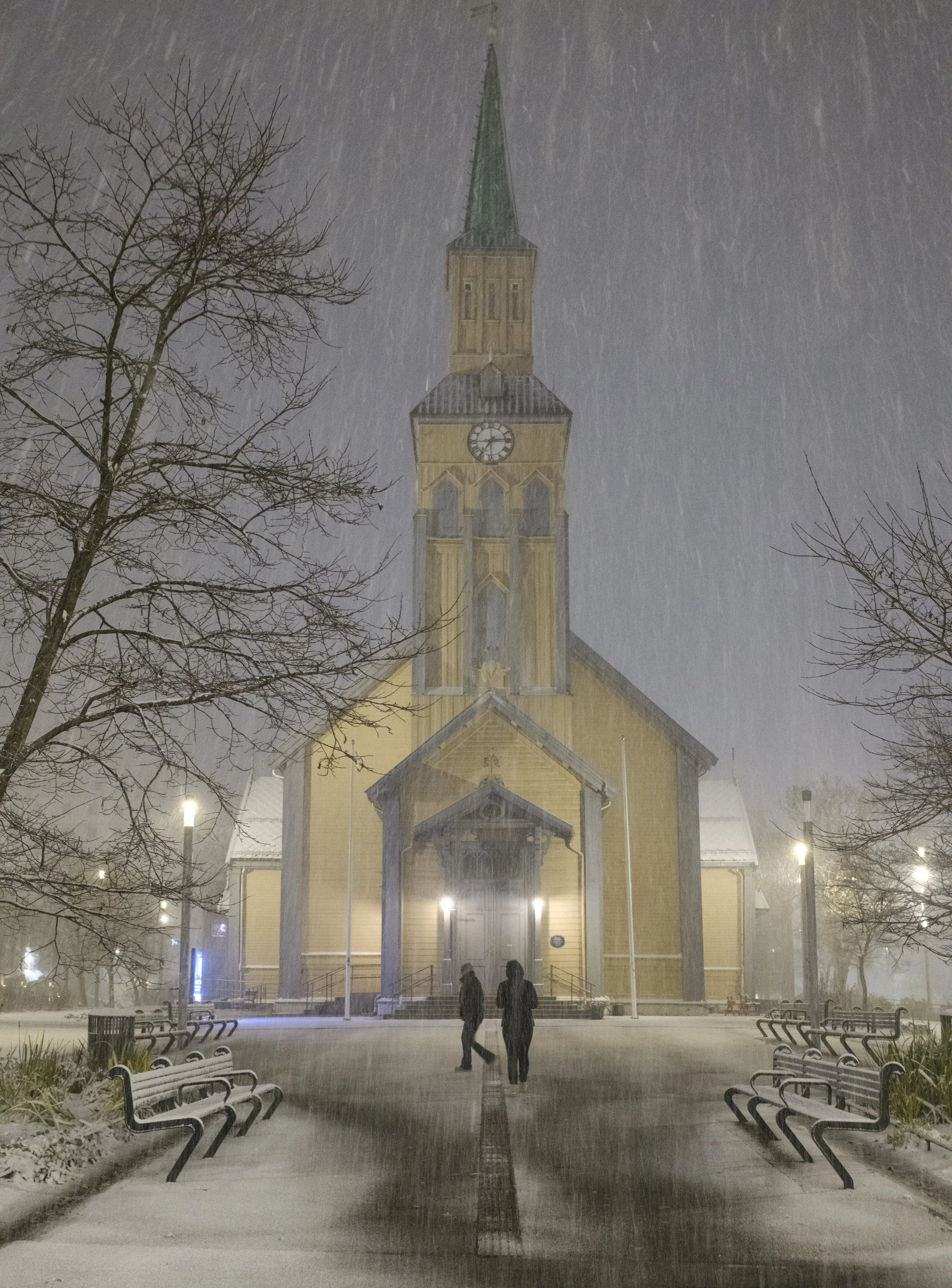
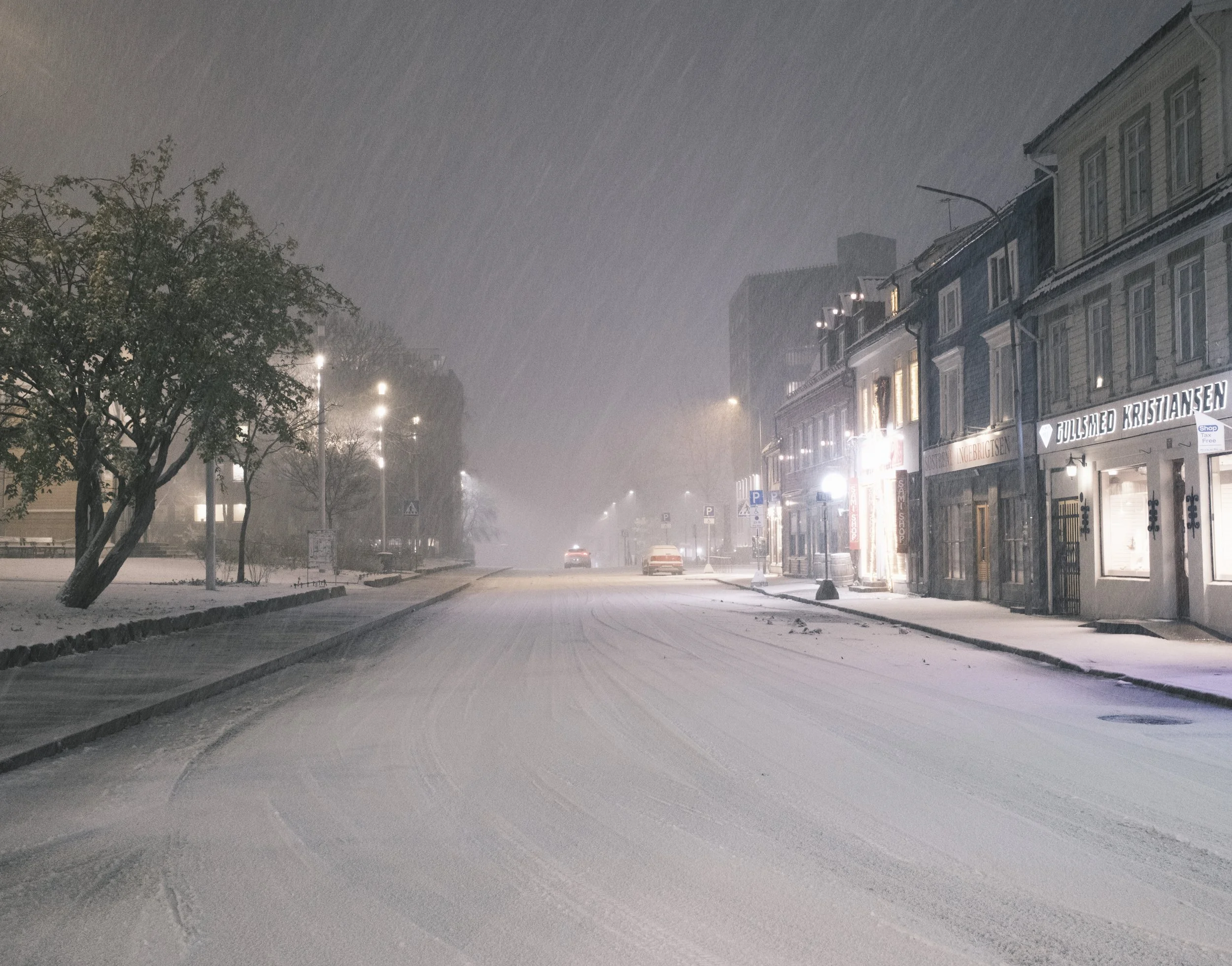
Various Images from a snowy evening exploring Tromsø
The route, in brief
The shape of it is simple, and it's the shape I'd recommend to anyone with a fortnight and a camera.
Fly into Tromsø, pick up a hire car, and head straight for Senja. Spend a few days there. Then drive south to Lofoten over two days, breaking the journey at Svolvær. Spend the bulk of your trip working the Lofoten villages, because there's a lot of them and the weather can steal days from you. Then turn north and drive back to Tromsø, breaking that journey again, and fly home.
It's a loop with a long tail rather than a neat circle, and you will drive the same stretch of E10 twice. That's fine. It looks completely different on the way back and you’ll end up stopping in different places to shoot than you did the first time round!
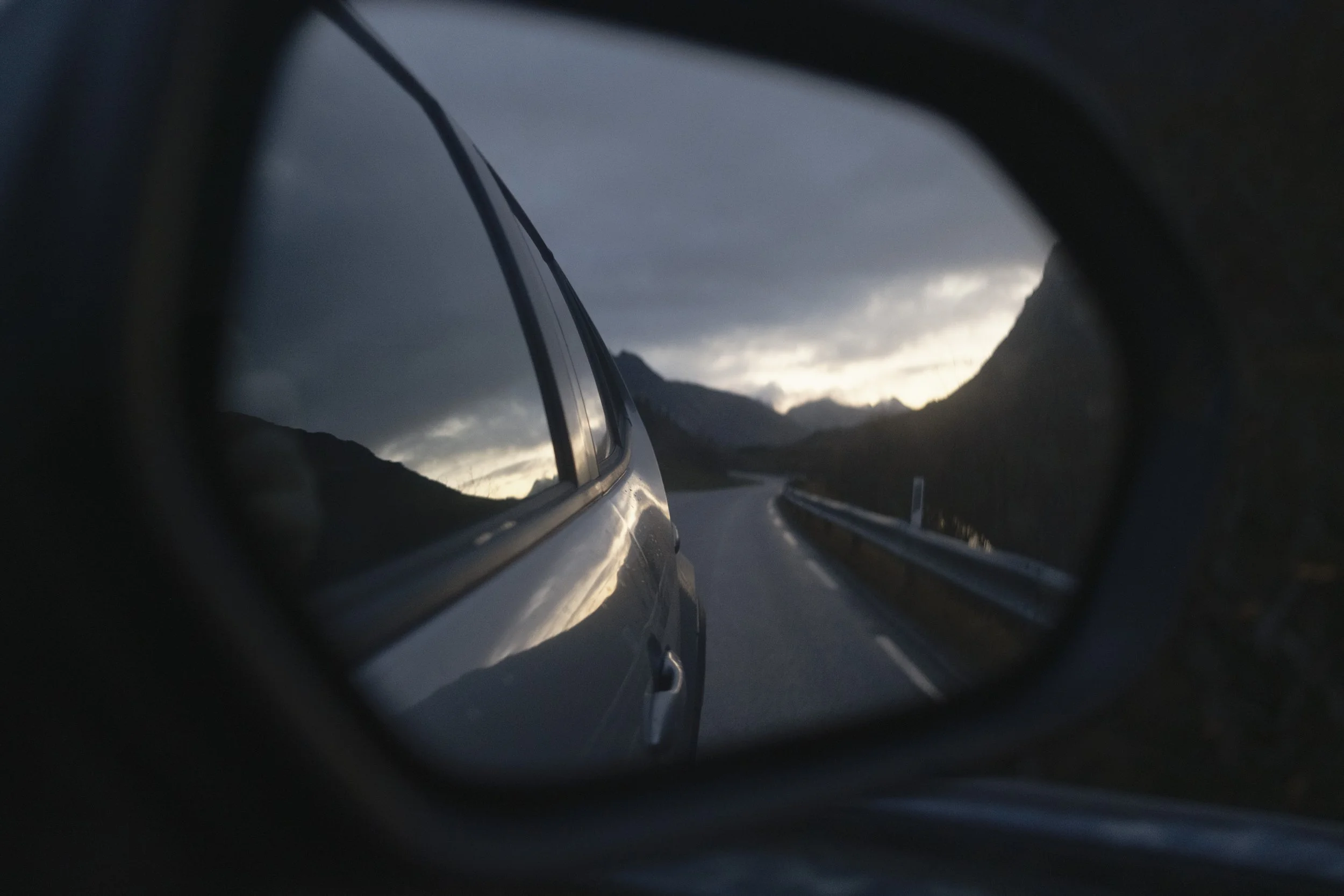
Looking back from where we came, sad to be leaving Lofoten!
Getting there, and the small matter of the car
Tromsø is the obvious way in. It's the only airport up there with proper connections, and it's where the hire cars are. We landed in the evening, picked up the car, drove to the ferry port, sat on a ferry, got off the other side, found a shop for food and milk (it was open 24hrs and we just swiped a credit card to gain access) so we could have a cup of tea like civilised people, and went to bed. Woke up the next morning in the middle of one of the most ridiculous landscapes I've ever stood in.
A few honest notes on the driving, because it's the bit people underestimate.
You need the car. There's no version of this trip on public transport that gets you to a viewpoint for blue hour. The roads themselves are excellent, well maintained and genuinely beautiful, but they're threaded through tunnels, over bridges and along fjords, and things go wrong. We hit a tunnel closure with a single convoy crossing per hour, chaperoned through by a bloke in a van. Nothing to be done about it except sit there and accept the hour. Build slack into every plan.
If you’re taking your own car, get proper winter tyres, which any Norwegian hire company will fit as standard in season and hire cars will have as standard. Check whether your ferry crossings need booking. Fuel up when you see fuel rather than when you need it.

Heading to Lofoten next?
The Lofoten Photography Guide
Skip the wrong turns I made. Seventeen locations mapped north to south down the E10, with the light, the compositions and the honest logistics for each. Instant PDF, £16.99.
Leg one: Senja, the island everyone drives past
Most people fly into Tromsø and point the car straight at Lofoten. I'd argue that's a mistake, and Senja is the correct answer here!
It gave us the rock pools and jagged teeth of Tungeneset, the impossibly quiet island village of Hamn i Senja, a viewing platform at Bergsbotn that hangs out over the fjord, and the leg-burning hike up Hesten for the classic view of Segla (a must visit for any mountain-phile!). It also gave us an aurora display that gatecrashed our dinner and a lens hood sacrificed to a rock pool on day one.
The pitch for Senja is simple: a lot of the same drama as Lofoten, a fraction of the people. Go there first, while your legs are fresh and before Lofoten spoils you.
Full write-up here: Senja photography guide.
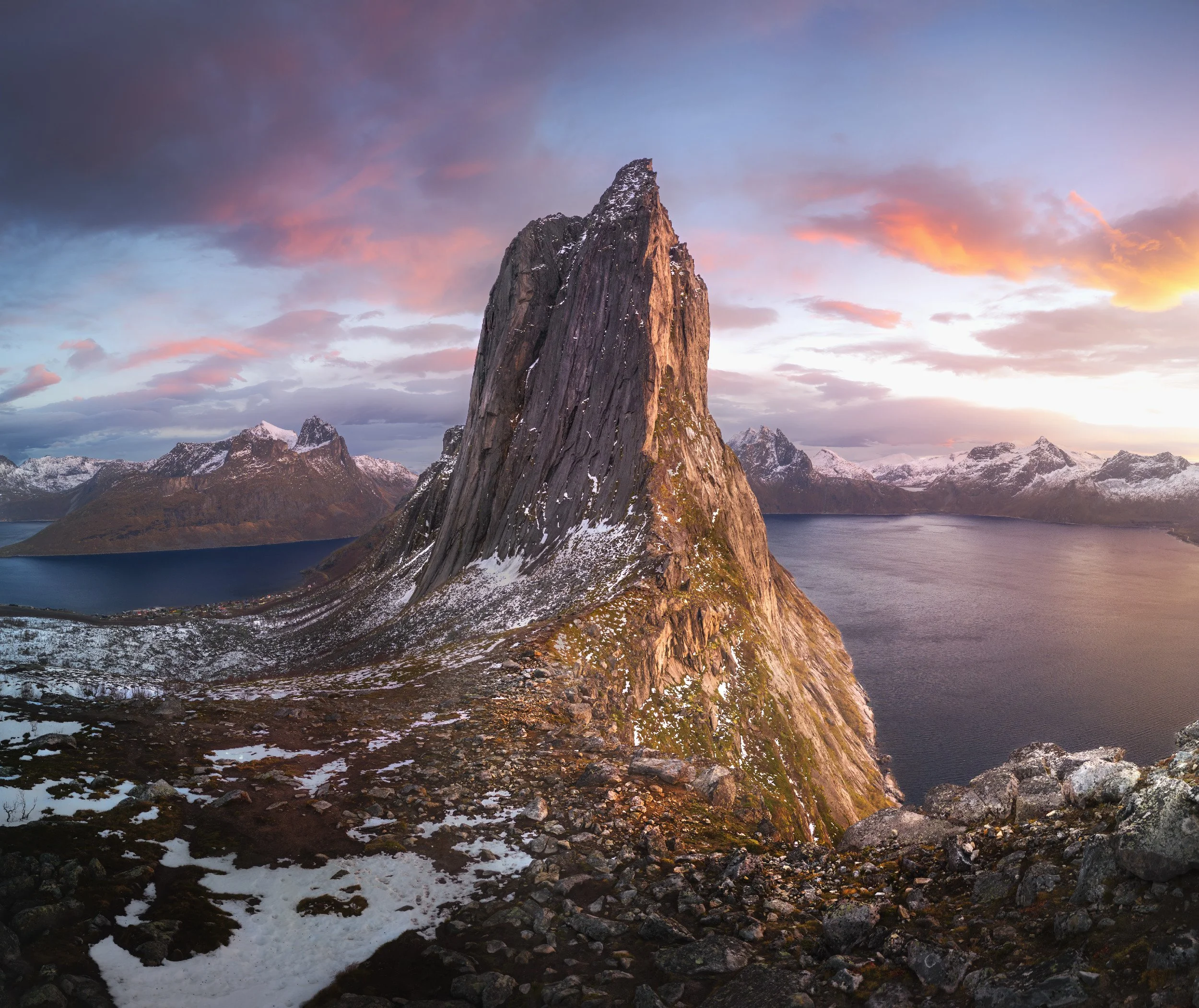
Segla, as viewed from part way up to Hesten summit.
Leg two: the two-day drive south
From Senja to Lofoten is a proper drive, and I'd strongly suggest splitting it. Our first leg was around six hours from Senjahopen down to Svolvær without stopping, and with only seven hours of daylight, "without stopping" is not how a photographer drives. We essentially wrote the day off for photography and enjoyed the ride instead. Plus, it was pissing down with rain and the car was warm!
Svolvær made a good staging post. We had a couple of beers, had my first taste of Stokfish, and I wandered a very wet town with the little Fujifilm, which is the perfect camera for that sort of evening. Then a few more hours south the next morning to reach our base in Lofoten.
The overlooked upside of a driving day: some of my favourite frames from the entire trip were grabbed from the passenger seat or from a roadside pull-in on that drive. Half asleep, under-caffeinated, not really trying. Keep a camera on your lap.
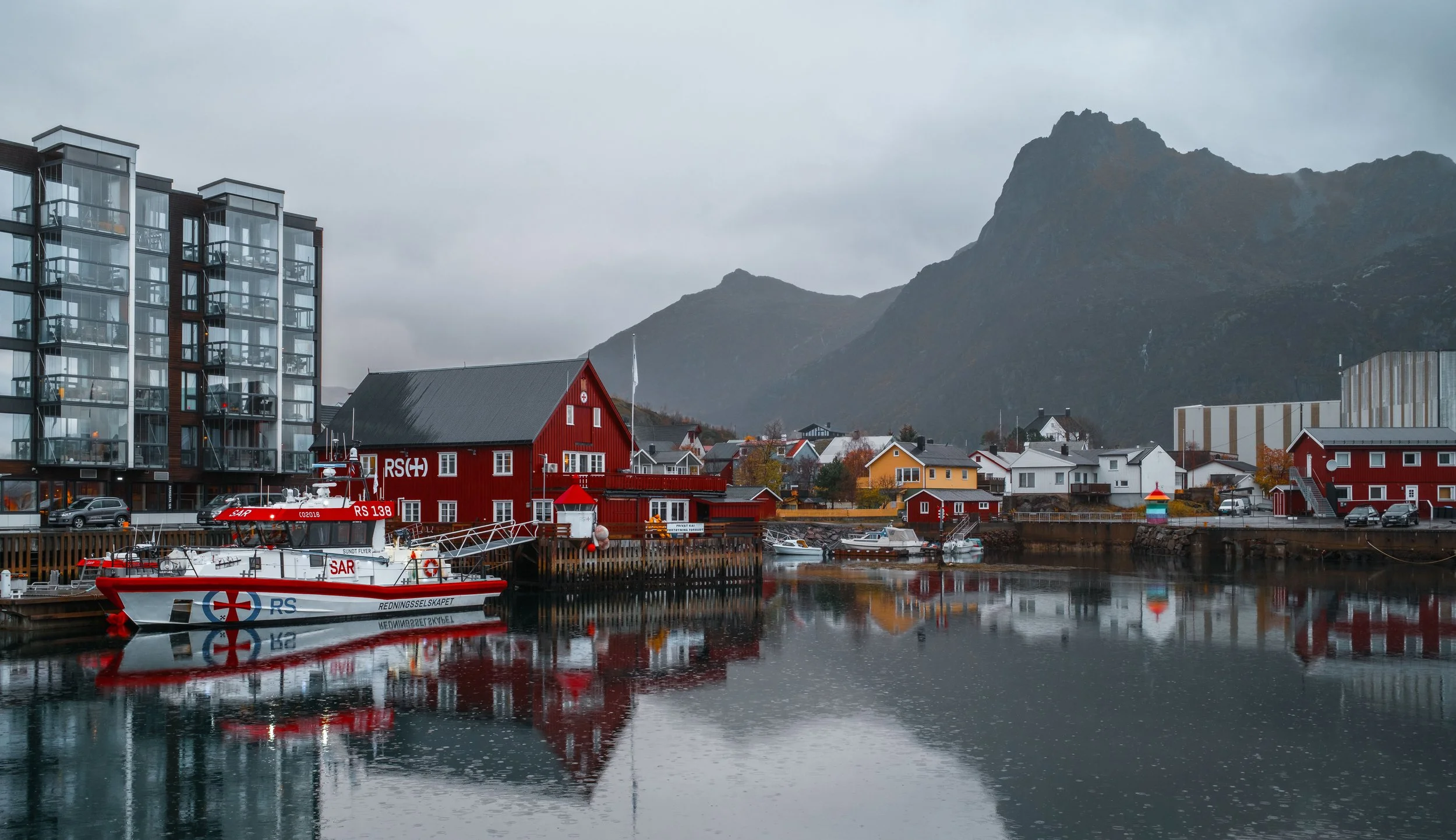
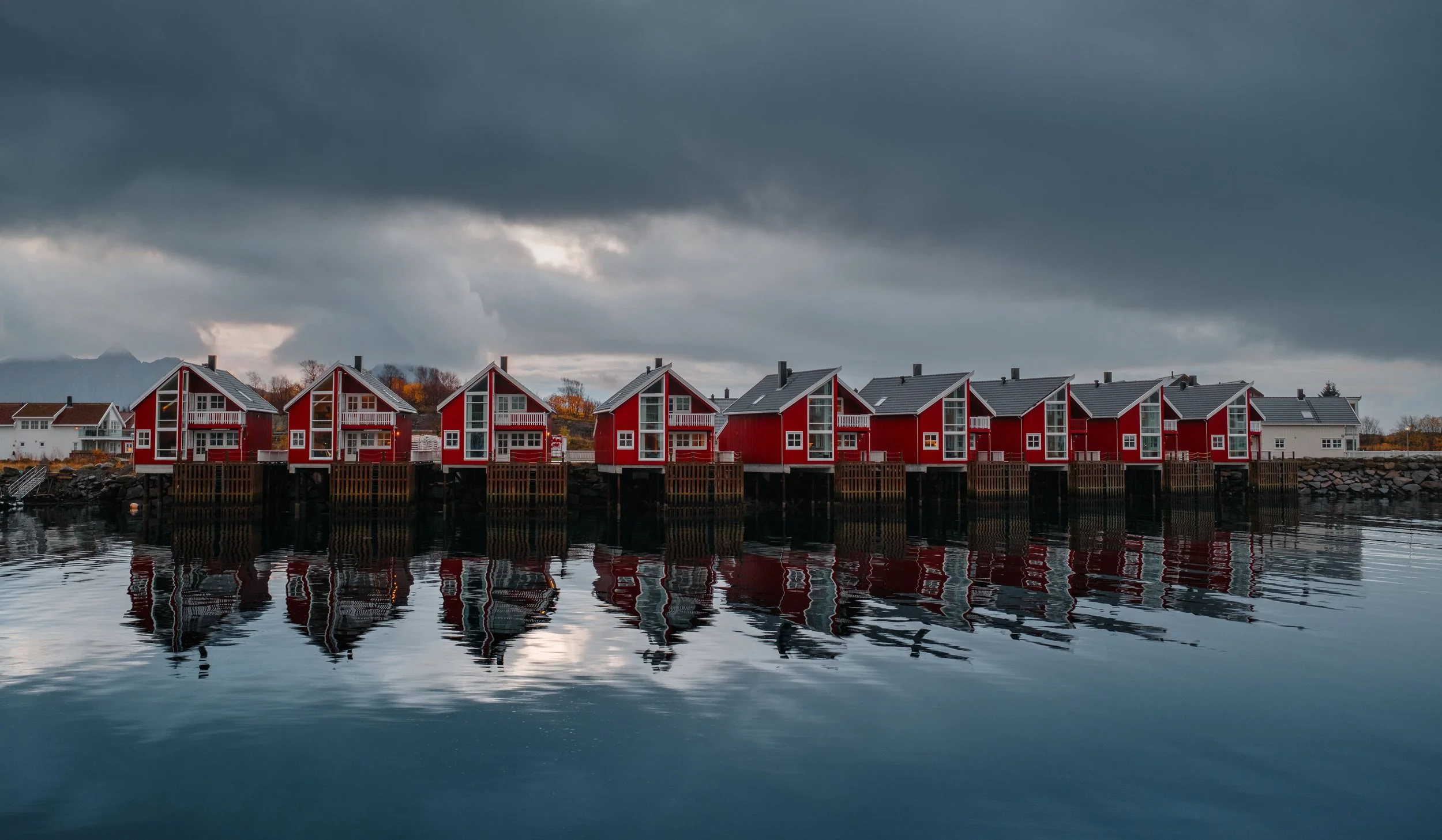
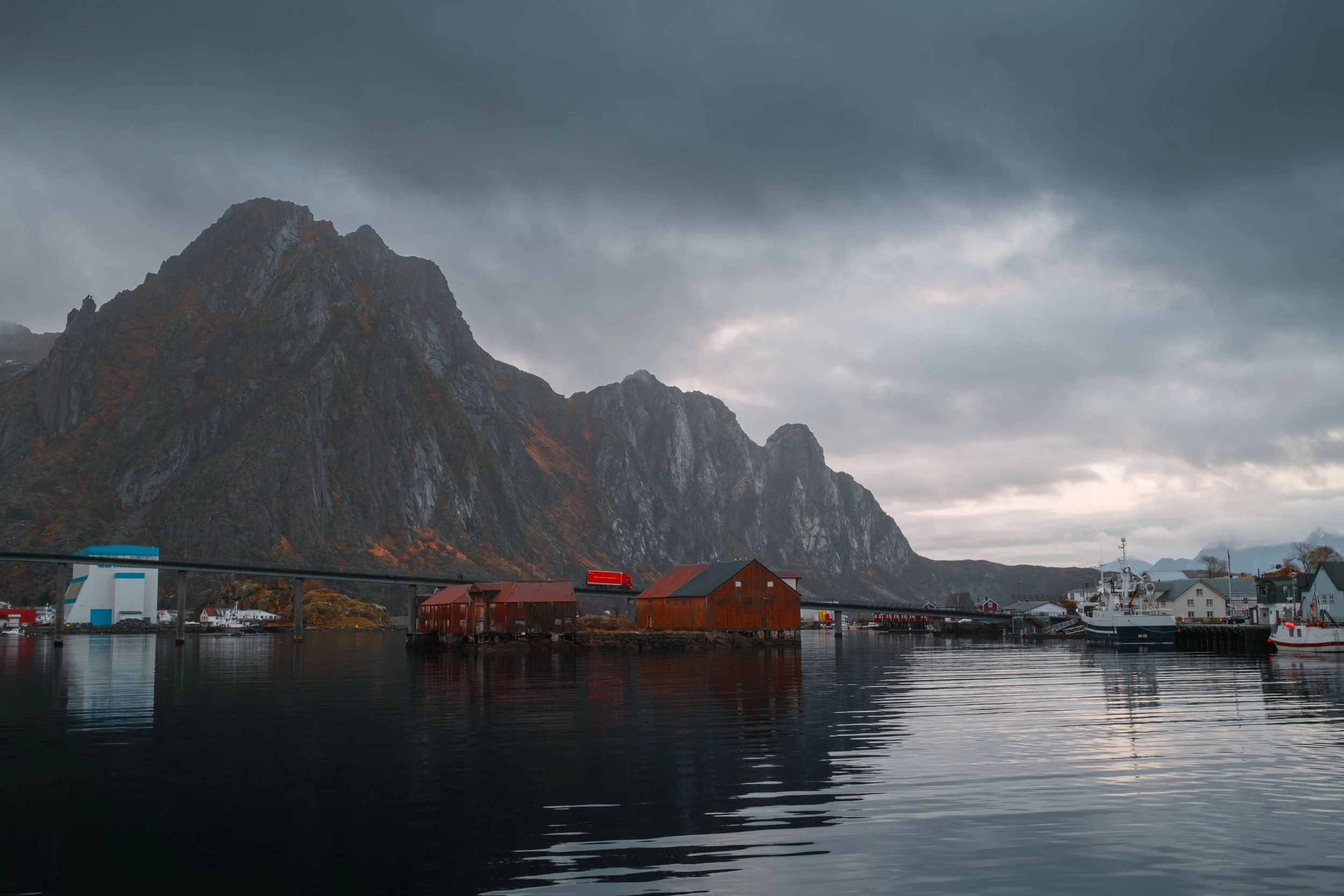
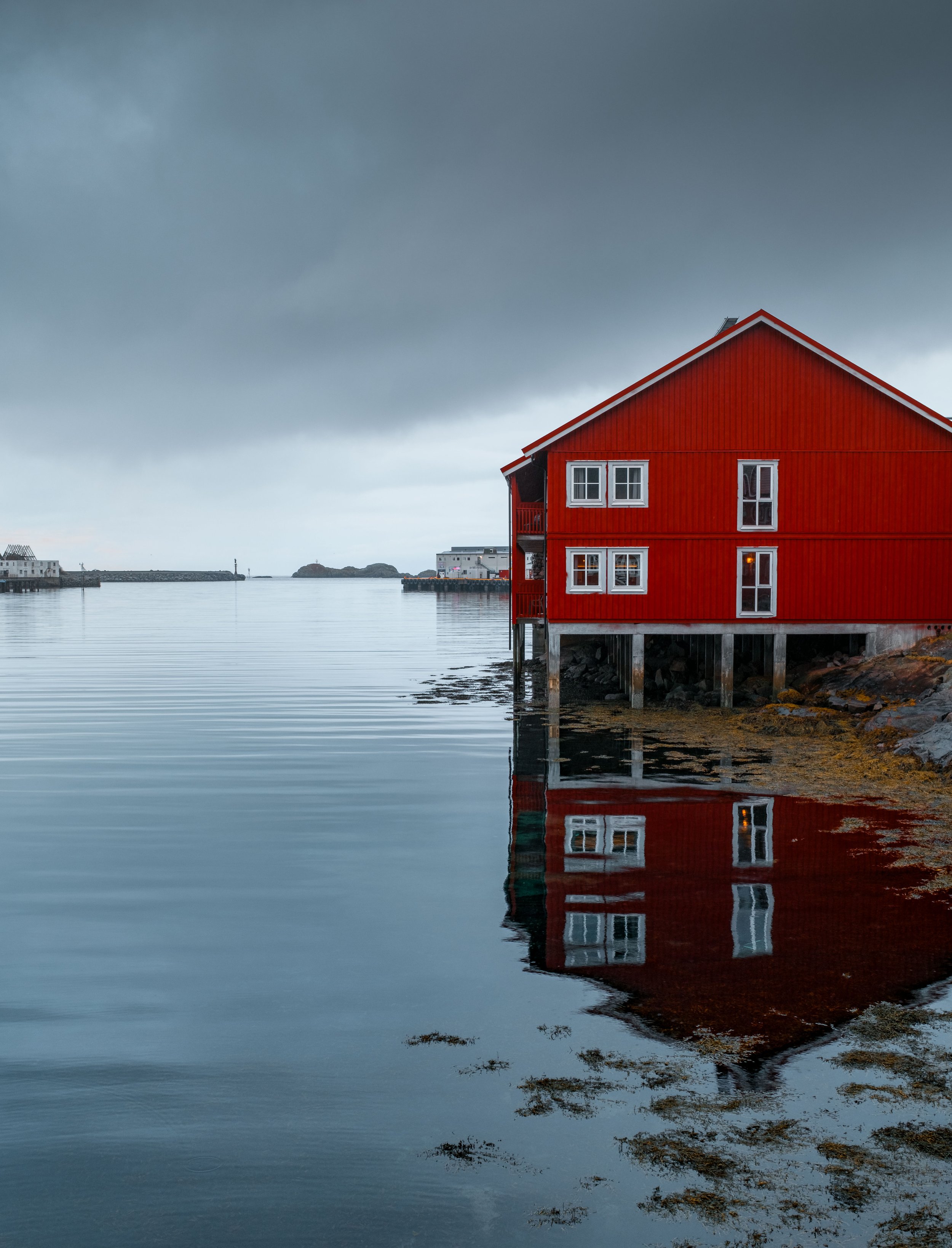
Leg three: Lofoten, and a fortnight's worth of rain
Then the famous one. Lofoten is where you'll spend most of your trip, strung along the E10 from Svolvær down to the village of Å, and it earns every bit of its reputation.
Reine and Hamnøy, the yellow huts at Sakrisøy, the preserved village of Nusfjord, the football pitch at Henningsvær, the bridges at Fredvang, the rock pool at Uttakleiv. We shot all of them, mostly in the wet, and the days that looked most hopeless handed me some of the best frames of the trip, including a full circular rainbow over Hamnøy that I'm still slightly smug about.
And then there's the climb. Reinebringen, nearly two thousand stone steps up the mountain behind Reine, done in the dark for a sunrise that never showed up.
The location guides: Lofoten photography locations and climbing Reinebringen.
Leg four: the long drive north, and the quiet ending
Turning north again felt like the trip winding down. It wasn't, quite.
We stopped at a rest area we'd only ever seen in the dark on the way south, purely because my bladder insisted, and found mountains wrapped in cloud and bathed in the winter setting sun. Ten out of ten, would recommend having a wee there. That's the thing about driving a route twice. The bit you ignored at midnight on the way down turns out to be the best half hour of the way back.
We broke up the drive at Bardufoss, and I picked the accommodation purely because it sat next to water on the map, on the off-chance of morning fog. It worked!! Freezing, foggy, tranquil, and completely unplanned. No scouted compositions, no shot list, just a camera in hand and a river doing its thing. Some of my favourite images of the trip came out of that hour, and they're the most muted, minimalist things I shot.
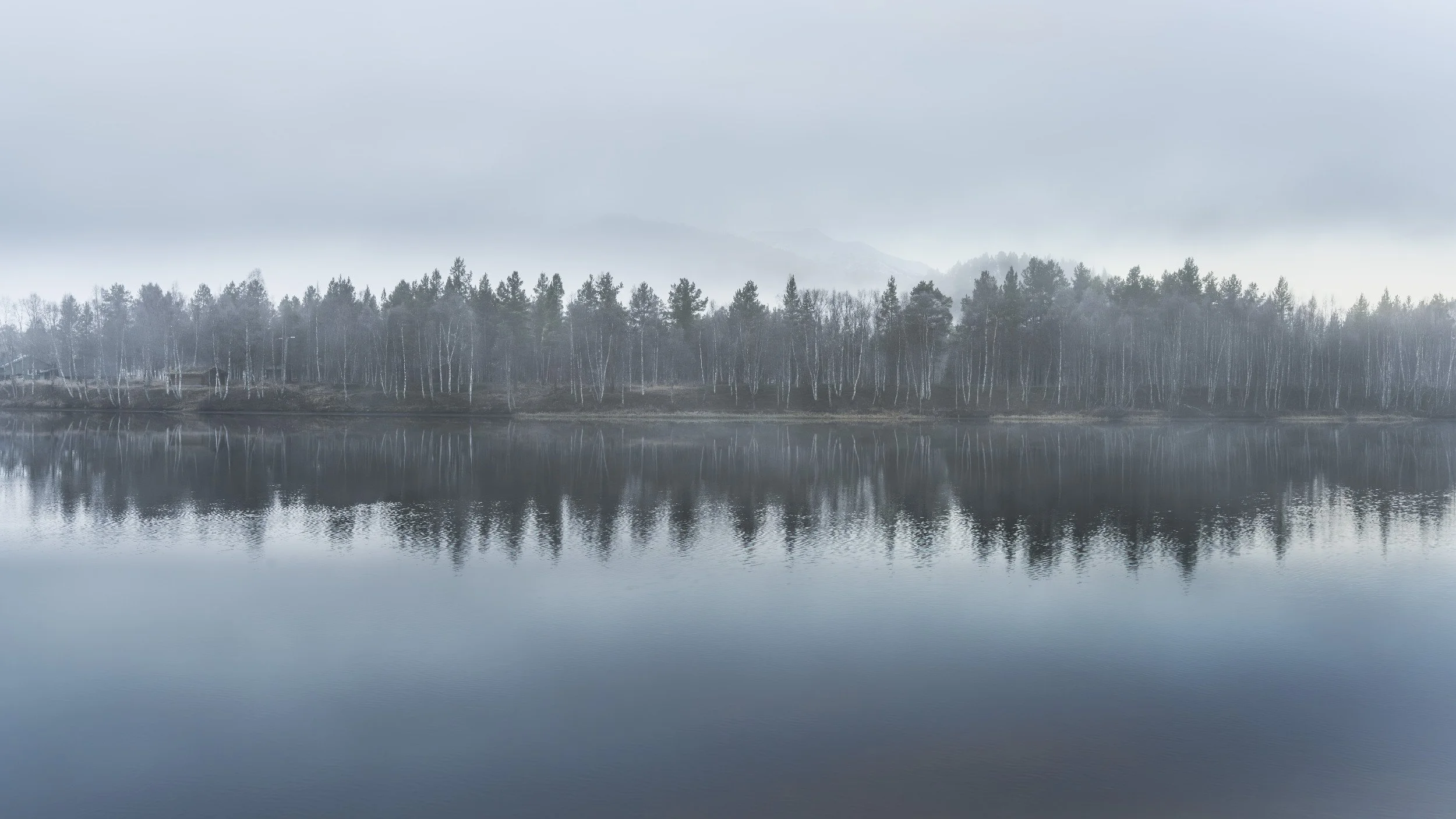
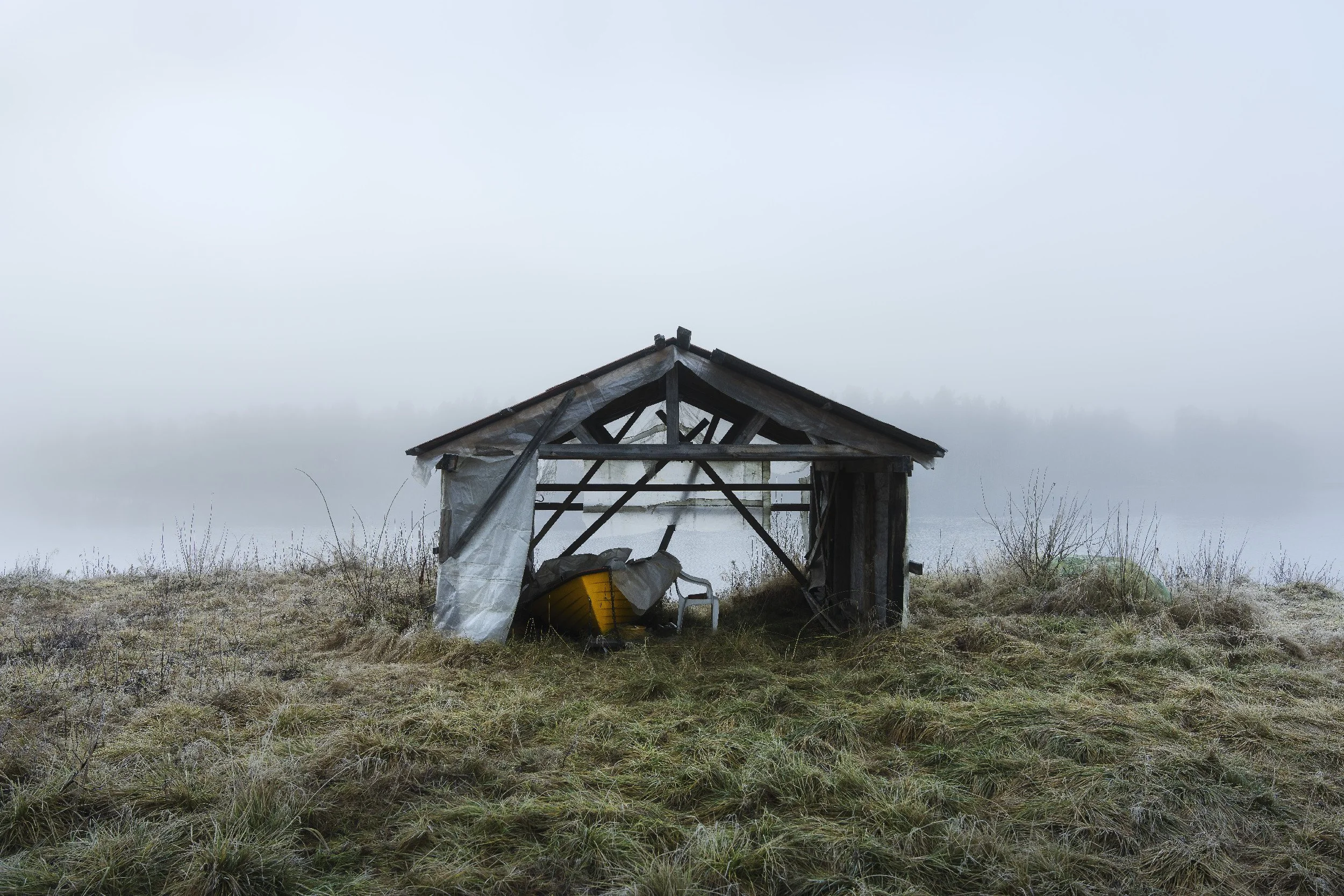
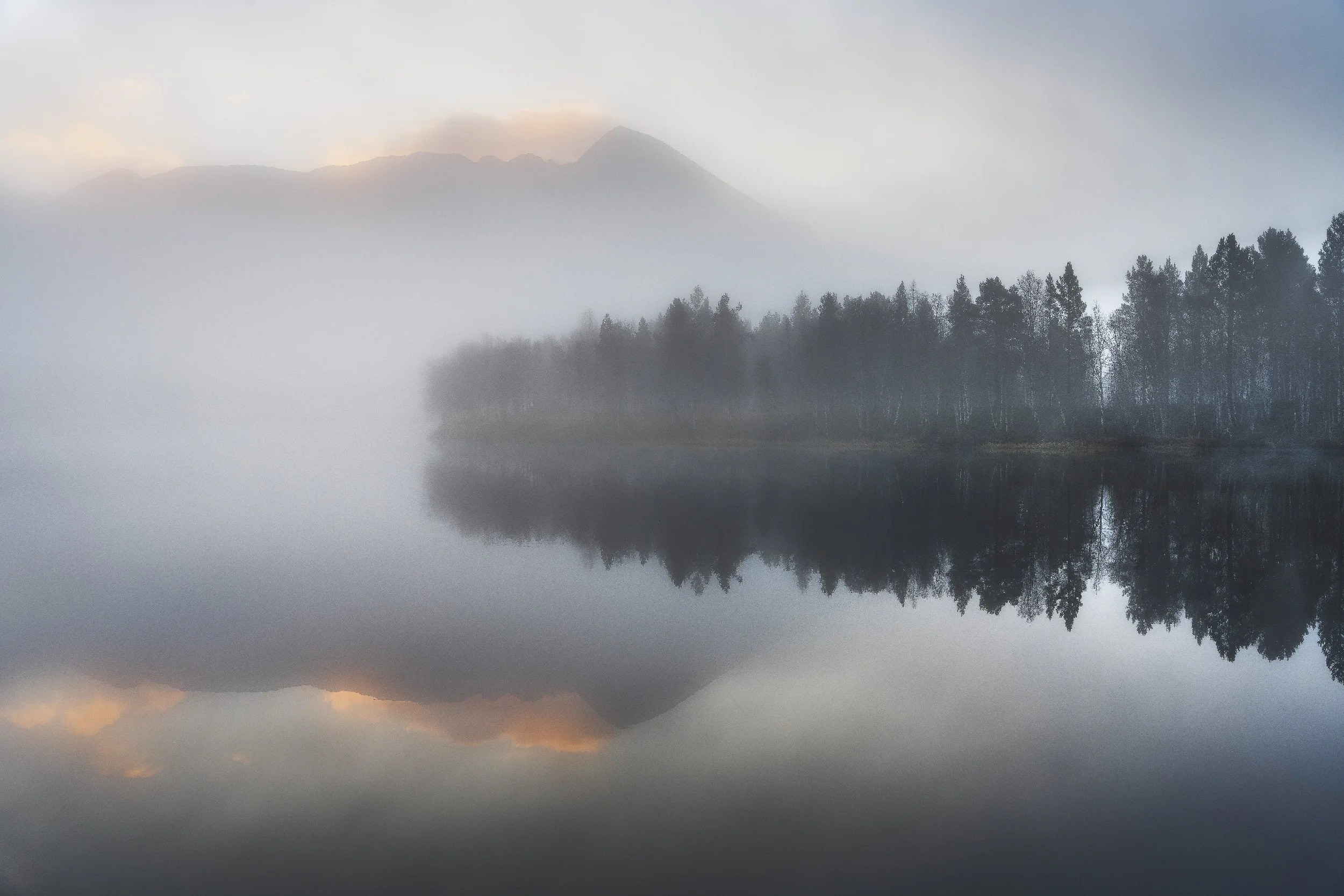
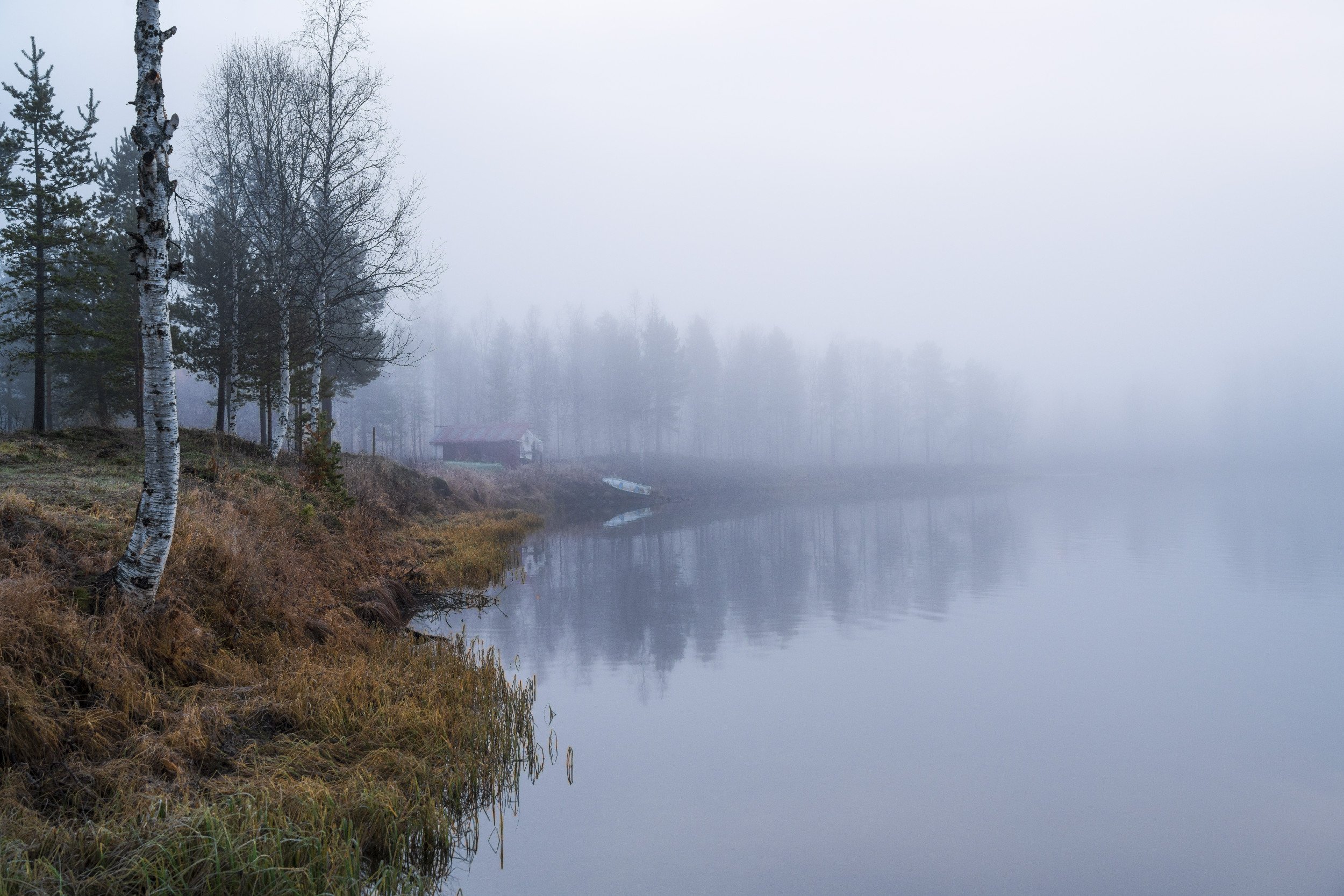
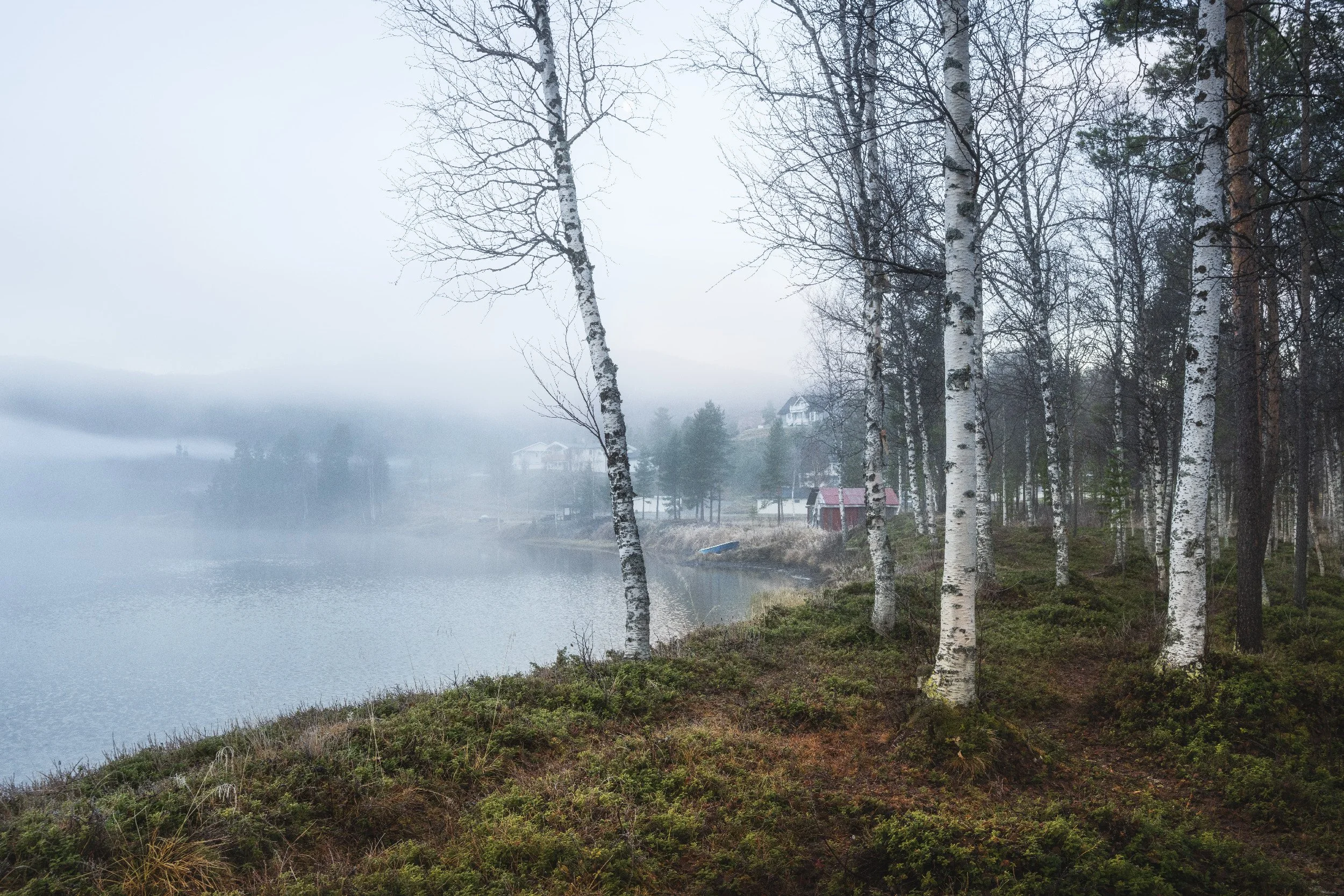
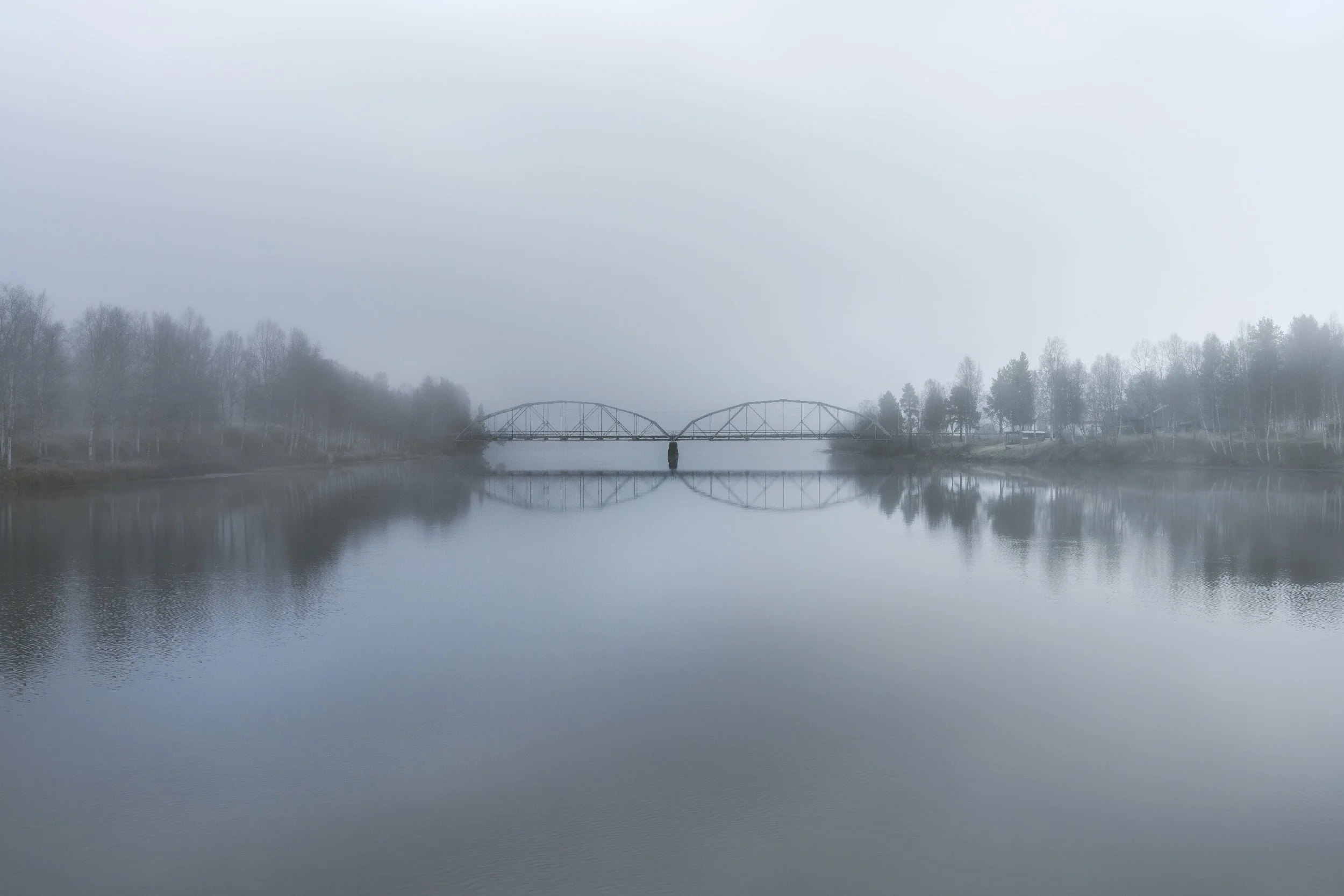
A foggy morning in Bardufoss, before that last 2 hour slog up to Tromsø
Then the last two hours into Tromsø, car dropped off, one night in the city, a couple of well-earned beers and a go at street photography (see the gallery at the top of this blog!), which I use in the loosest possible sense. It felt genuinely strange to be back among buildings and people. As we left, the first proper snow of the winter started coming down… typical timing!!
What I'd do differently
A few things I'd tell myself before going back.
Do the daylight maths honestly. Seven hours of usable light in November sounds fine until you realise a six hour drive eats all of it. Plan one location per day, two if they're close together, and treat anything else as a bonus.
Build in weather days. Not "we might have a quiet day", but actual, budgeted, written-into-the-plan days where the forecast is filth and you don't try to fight it. We had a completely lazy day in Lofoten because it rained sideways from dawn to dusk, and the day after was the rainbow day.
Revisit rather than tick off. The locations that paid out were the ones we went back to three or four times. The famous yellow hut looked incredible and different every time we went.
Scout your aurora foreground in daylight. The one real regret of the trip. We got a cracking display over Senja and I had nowhere decent to point the camera, because I hadn't thought about it whilst I could still see.
And pack for water, not cold. It was never really that cold. It was relentlessly, comprehensively wet.
Planning your own Arctic Norway trip
I've put everything I learned on this trip into a location guide for the region, covering the spots along the E10, when to shoot them and how to actually reach them. It isn't quite ready yet, but if you'd like a free sample of it when it lands, along with the occasional honest account of a trip like this one, pop your email in below and I'll send it over.
What's next
That's the Arctic Norway series done: Senja, the Lofoten locations, and the Reinebringen climb. Four posts, one fortnight, an enormous amount of rain, and more good photographs than I had any right to expect.
If you'd rather watch the whole thing unfold, mud, dropped lens caps, gatecrashing aurora and all, the full series is over on my YouTube channel.
Arctic Norway road trip FAQ
How many days do you need for a Tromsø to Lofoten road trip? A fortnight is about right if you want to do Senja and Lofoten properly and allow for weather. You could do a stripped-back version in a week, but you'd be rushing and gambling everything on the forecast. The extra days aren't padding, they're what lets you revisit the honeypots until the light finally turns up.
What's the best time of year for an Arctic Norway road trip? It depends what you're after. We went in November for moody winter light, snow on the peaks and a shot at the northern lights, and got short days and a lot of rain. For long days and green landscapes, go May to July and you'll have the midnight sun. For snow, drama and aurora, aim for late autumn through winter, but budget for filthy weather and very few daylight hours.
Do you need a car to visit Senja and Lofoten? Yes. There's no realistic way to do this trip on public transport, certainly not as a photographer trying to reach viewpoints for blue hour. Hire a car in Tromsø, which is where the connections and the rental desks are. The roads are excellent, but they run through tunnels and along fjords, so leave slack in your plans for closures and ferry timings.
Should you visit Senja or Lofoten, or both? Both, and they combine into one trip beautifully. Lofoten is the famous one with the iconic honeypots and the crowds that come with them. Senja gives you a lot of the same drama with a fraction of the people, which is why we'd send you there first, while your legs are fresh and before Lofoten spoils you.
Can you do the Tromsø to Lofoten drive in winter? Yes, and we did, in November. Norwegian hire cars come with winter tyres as standard in season and the main roads are well maintained, but conditions change fast and daylight is short, so drive to the conditions and don't over-plan your days. The reward is snow on the peaks, moody light and a genuine shot at the aurora.
How far is it from Tromsø to Lofoten by car? The drive from Senja down to Svolvær was around six hours without stopping, and that's before you factor in a photographer's habit of pulling over constantly. We split the journey over two days with an overnight in Svolvær, which we'd recommend, both to break up the driving and because you'll want the daylight for shooting rather than sitting in the car.